
Knowledge at Sea – Intro
29.05.2026
Exactly three weeks ago, a group of students from Åbo Akademi University, artists like Frank Berger & Saija Lehtonen and cultural workers from the Skärgårdshavets Biosfärområde set out on a boat, train and boat ride through Sweden and Denmark towards Iceland. In the coming posts here, I will open up some of the things that happened during our Knowledge at Sea journey.
Ever since I myself was a Master’s student in the International program of Education at University of Oulu – where we would do study trips every year – and my own theological and historic explorations with site-specific knowledge have been developing, I have been pondering about how to do teaching sessions where these methods can be applied.
On the one hand, I have wanted to bring people into intentional communities of SLOW travel while avoiding the usual pitfalls of tourist mindsets and voyeuristic explorations. For this purpose, a classic text in political theology, MIGRANT, TOURIST, PILGRIM, MONK: MOBILITY AND IDENTITY IN A GLOBAL AGE (2008) by WILLIAM T. CAVANAUGH, became a good companion for our trip.
On the other hand, setting the plate for transdisciplinary work where all members can be equal knowledge partners is a task I know requires quite a lot of re-formulation of academic practices, so creating a fruitful learning environment requires more than mere experimentation. It is for this reason that Eduardo Abrantes and I have been looking into how scripts can be made where knowledge is experienced and practised before it lands into concepts and academic formulations. We are aware that such approaches can create tensions and even confusion, and that is why intentional structures are needed that carry the load of form and freedom.
For this journey, each place we visited created a form, daily check-ins, created a structure and modelling leadership that is in constant dialogue with what we encounter, was what we aspired for. And, bringing in voices from Cameroon, Peru, India, and different language traditions in the Nordics, in addition to the disciplinary differences, is not always an easy task.
After the journey, I am deeply grateful for the co-collaboration that did happen and particularly how the co-created knowledge was able to bridge some of the relevant topics that arise when wanting to build bridges between Global South and North perspectives! The community really stepped in to make the learning alive and anchored in the here & now (rather than abstract ideas or ideals).
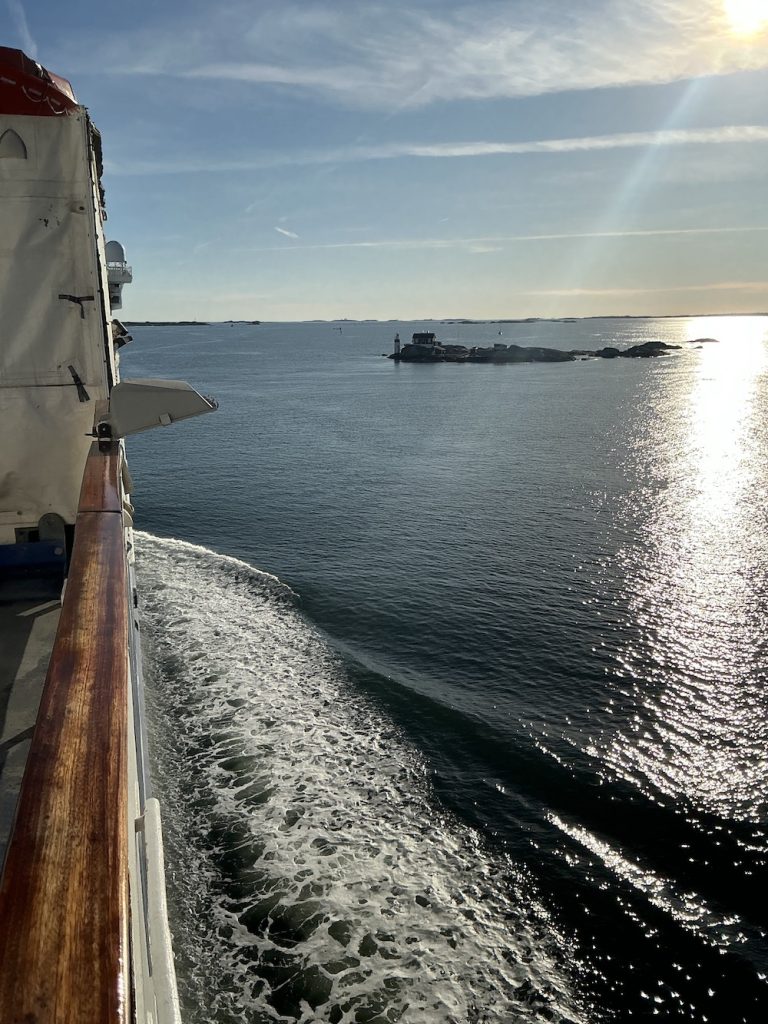
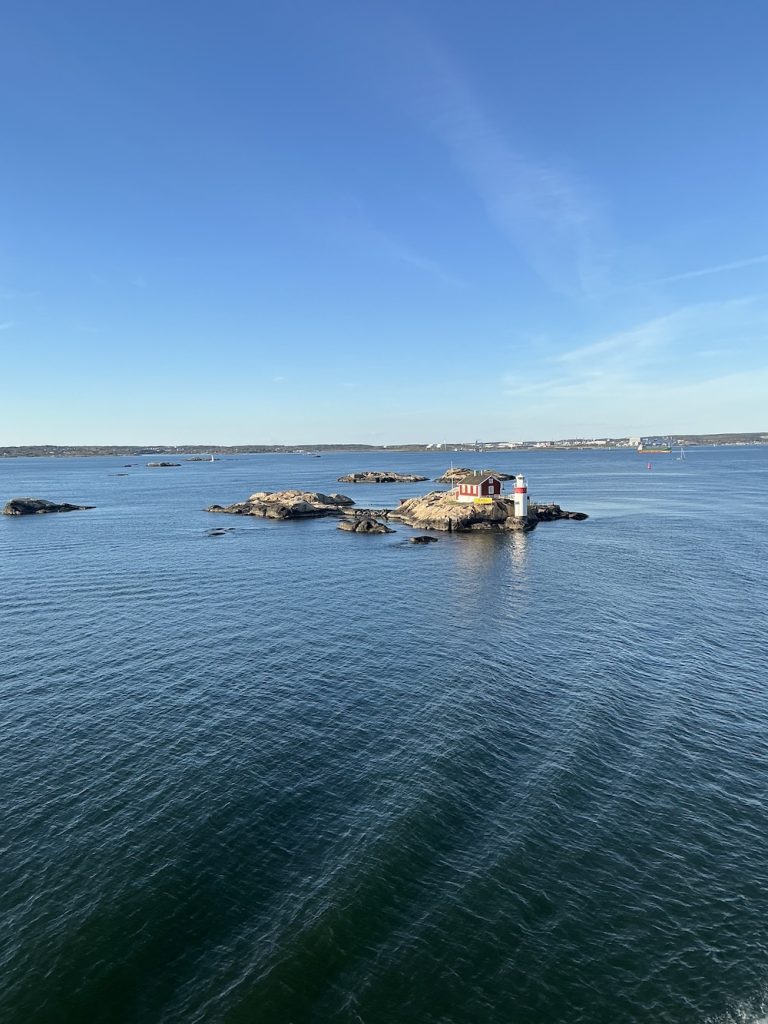
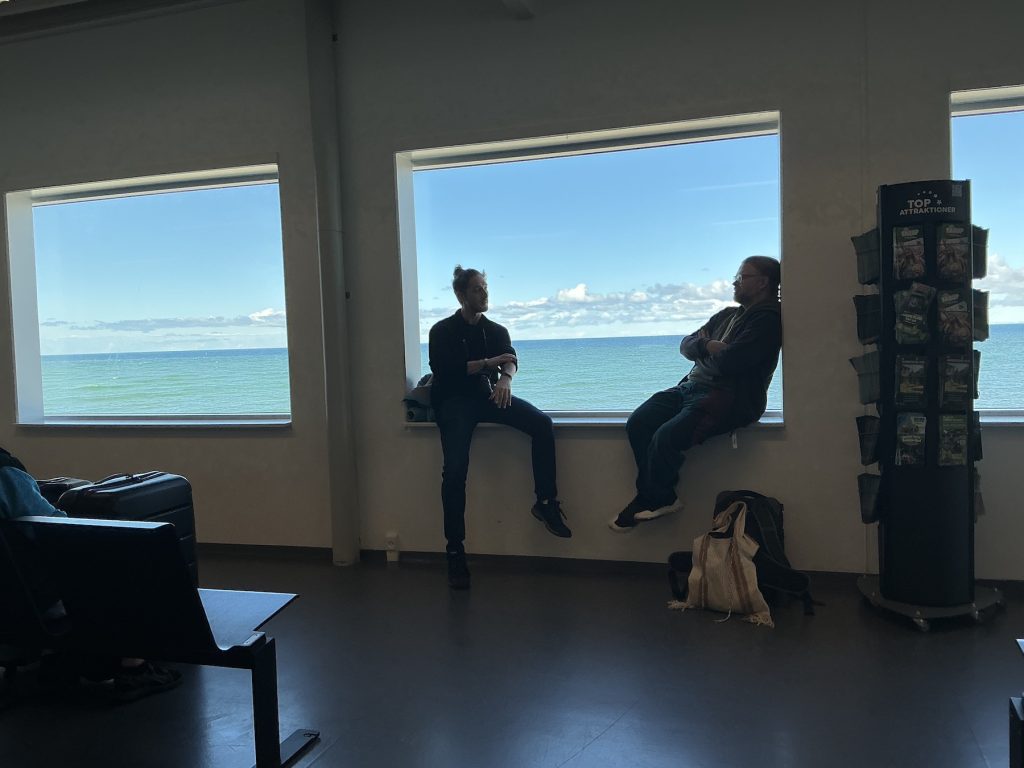
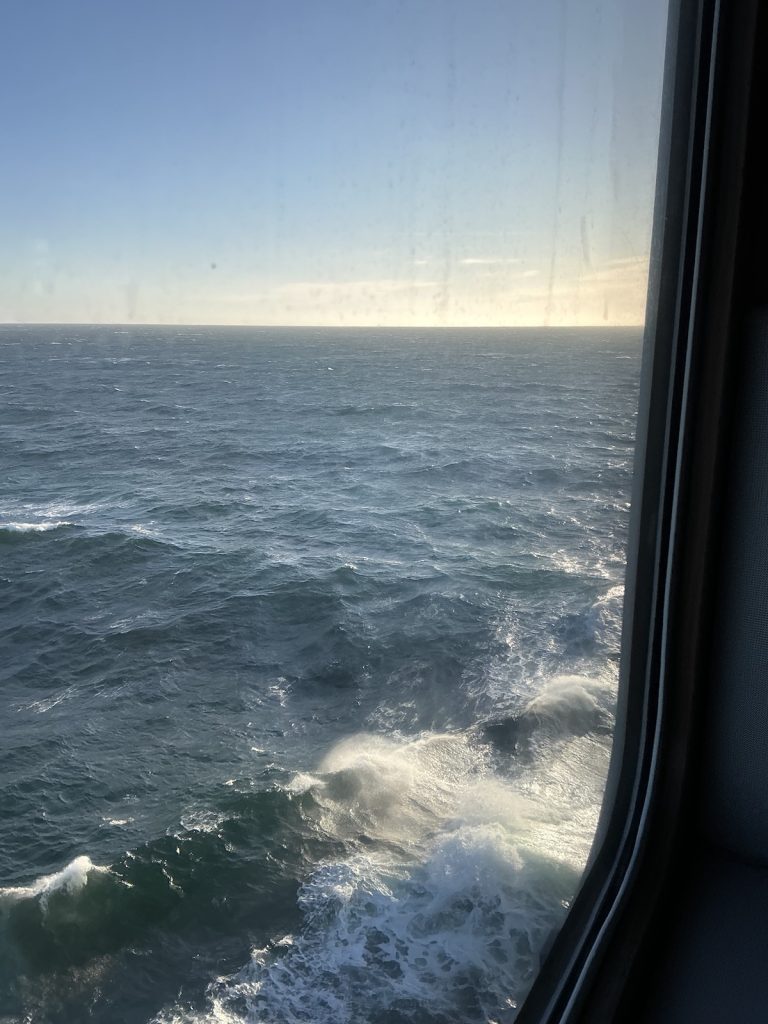
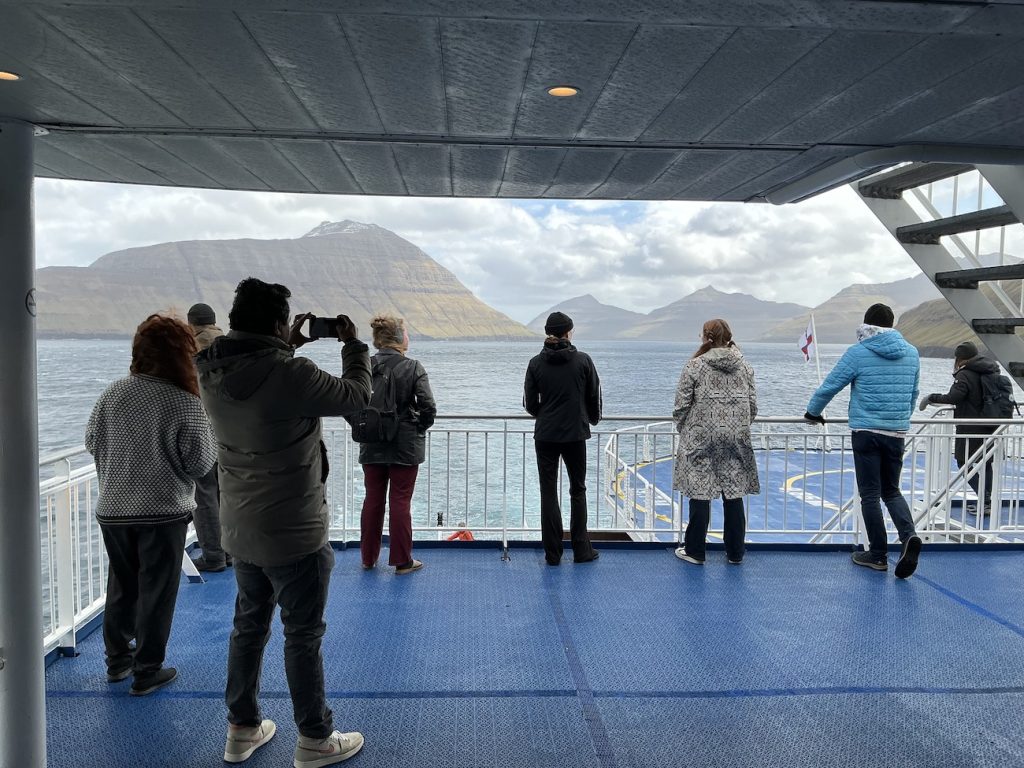
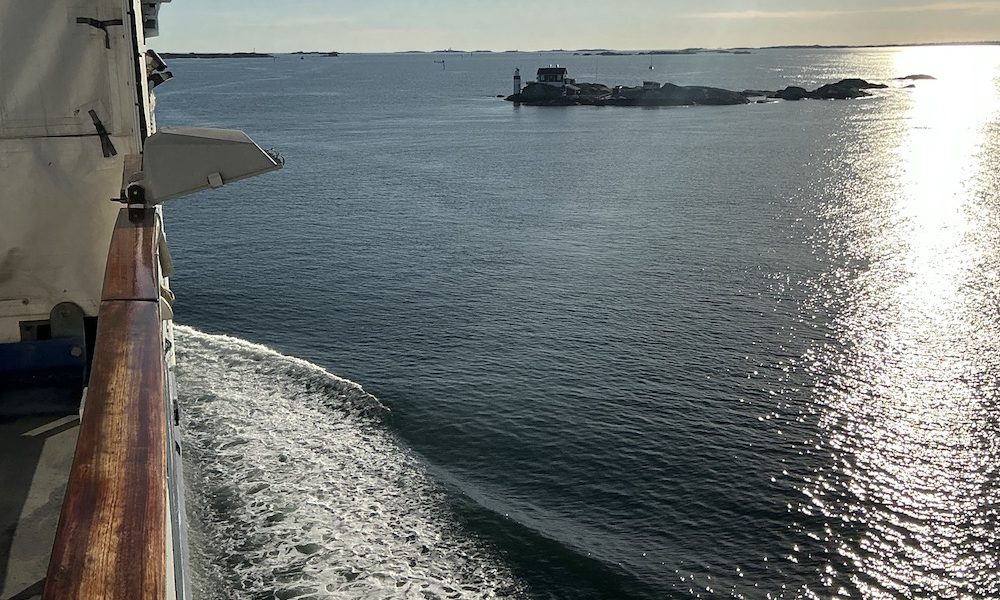
Photos from Göteborg, the harbour in Hirtshals and the travel on board Smyril Lines to Iceland.
We are grateful to Stiftelsen för Åbo Akademi, Svenska kulturfonden/The Swedish Cultural Foundation in Finland, CHARM-EU and Nordisk Kulturfond for making this learning possible!