
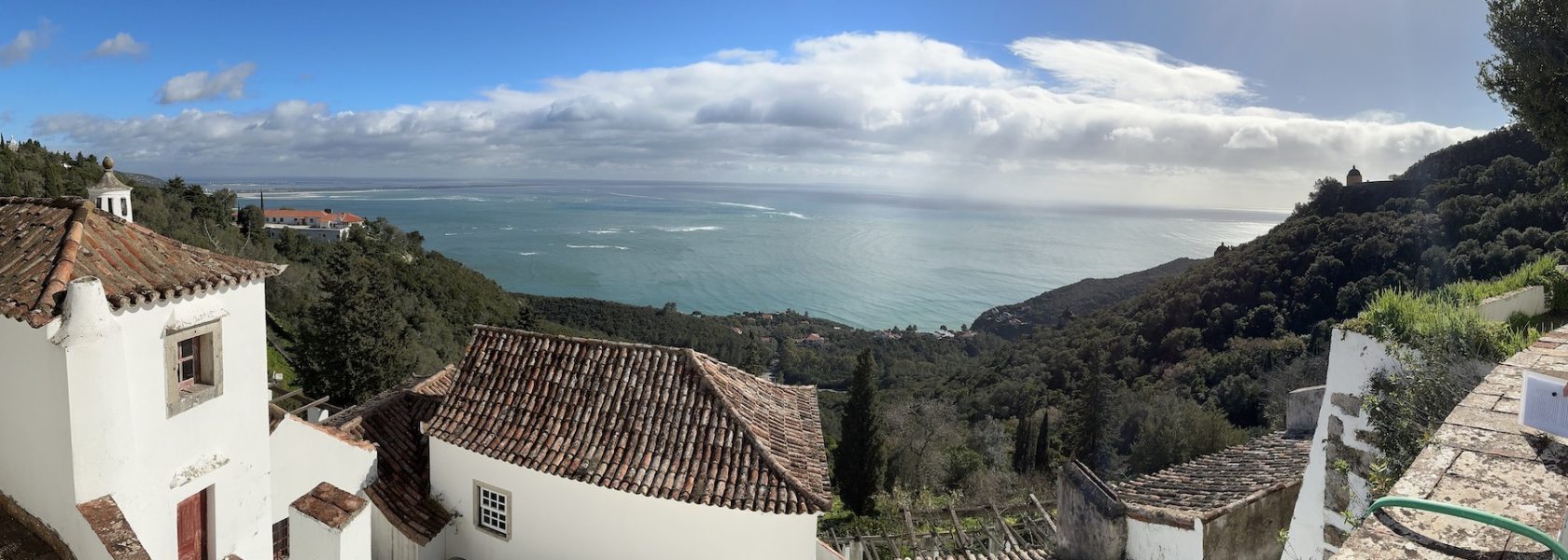
Eduardo Abrantes said it so well in a meeting yesterday with our collaborators at University of Iceland (Háskóli Íslands):
When your research methods include travelling, this is what happens: you encounter new people and places in unexpected manners!
During my fieldwork journey to Spain and Portugal at the beginning of the year 2026, this is exactly what happened!
I took off to follow Teresa of Avila, in her trail of associations with the first wave of liberation theologians – people like Antonio Montesino (1475 – 1540) and Pedro de Córdoba (1460 – 1521). I was interested in finding out if we can speak about Teresa of Avila and the other members of the community gathering in the Monastery of San Sebastián in Salamanca, Spain, having some anti-colonial tendencies in their theological practices or teachings!?
I will be presenting more on this work in a coming conference this spring at Enskilda Högskolan, Stockholm: Telling a Different Story. For now, I can only say that:
Yes, what started off as a vague intuition has developed into a full-fledged storyline – there are unexpected strands of anti-colonial traits in Teresa of Avila’s practices and teachings, that quite surprisingly bring us to the Franciscan theological tradition!
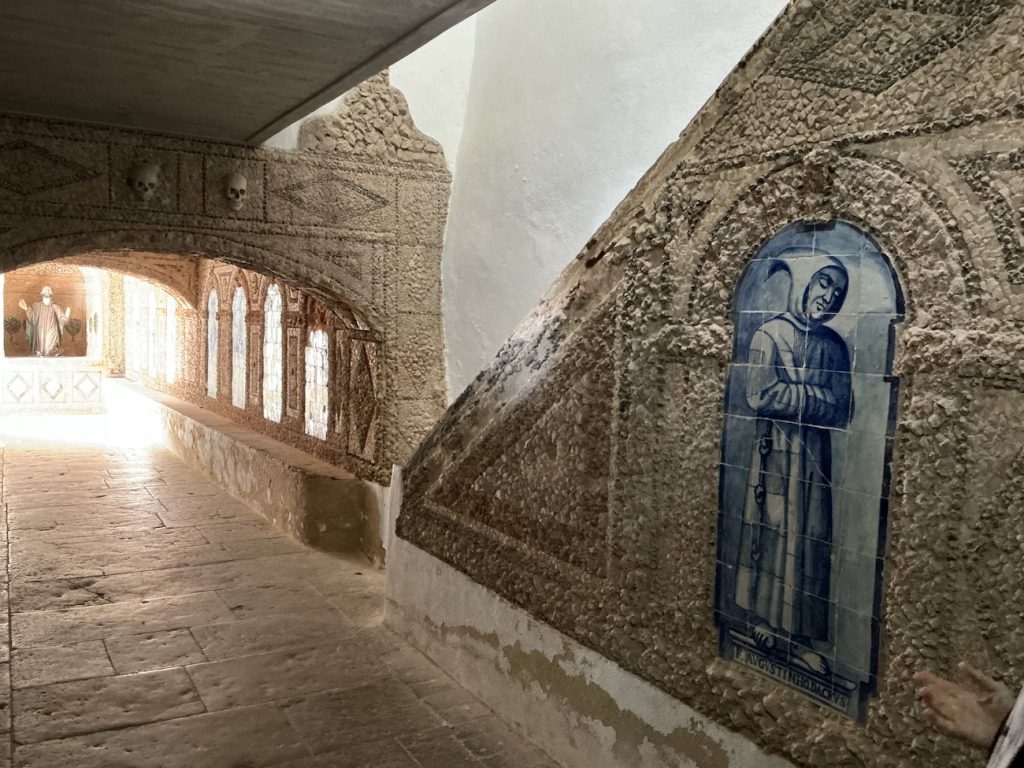
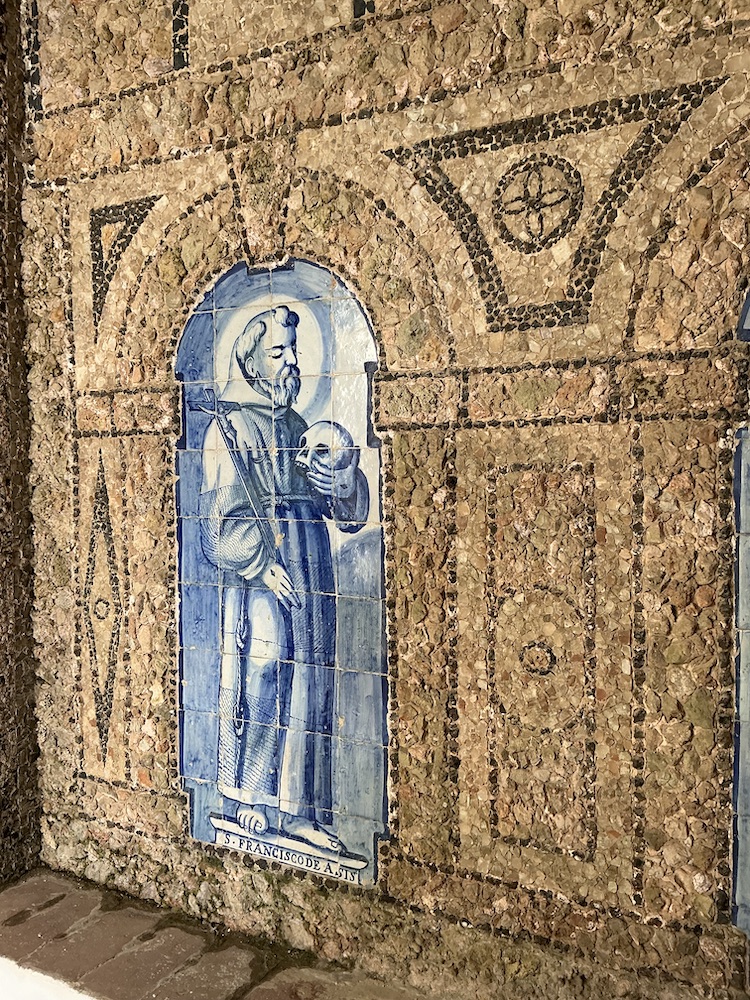
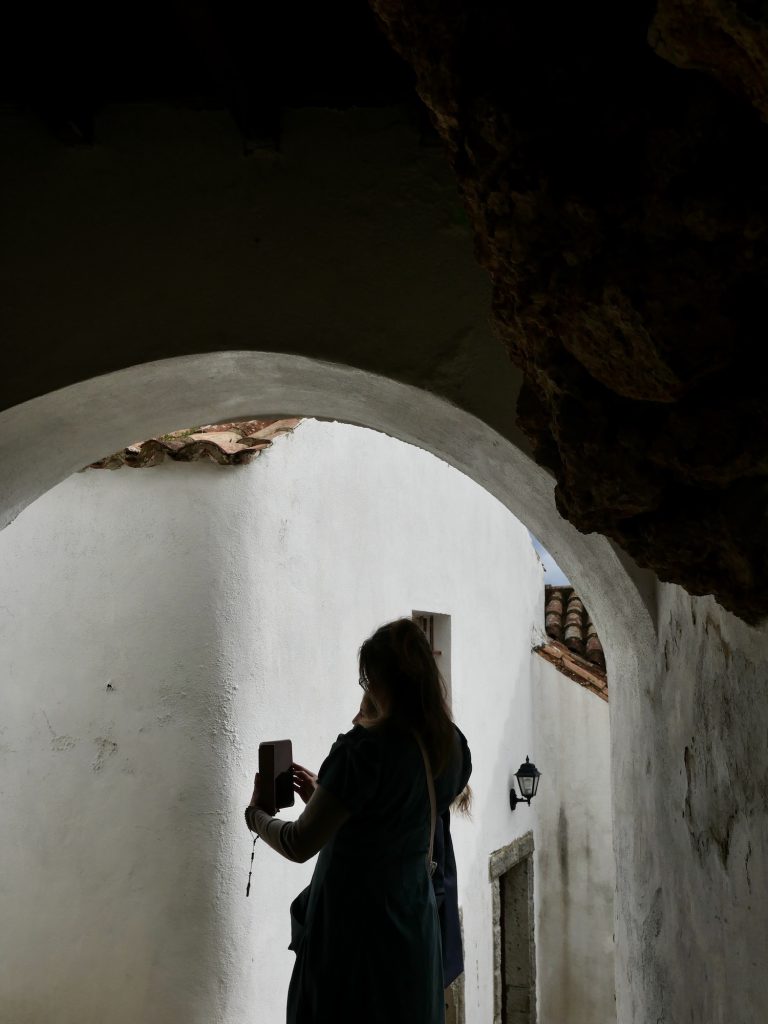
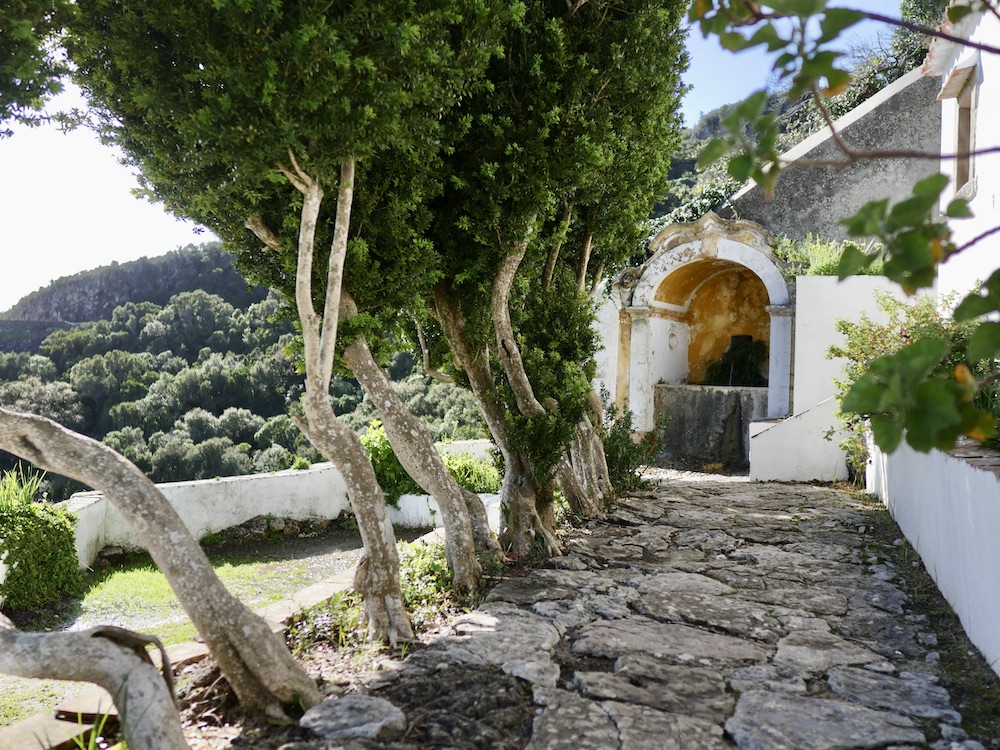
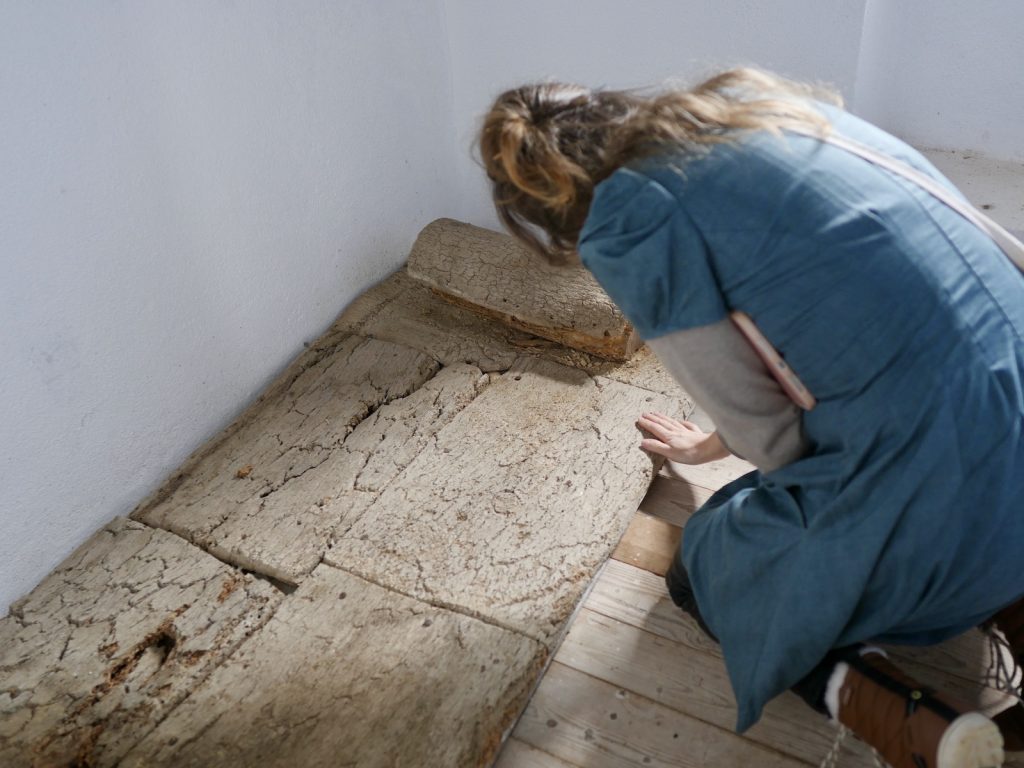
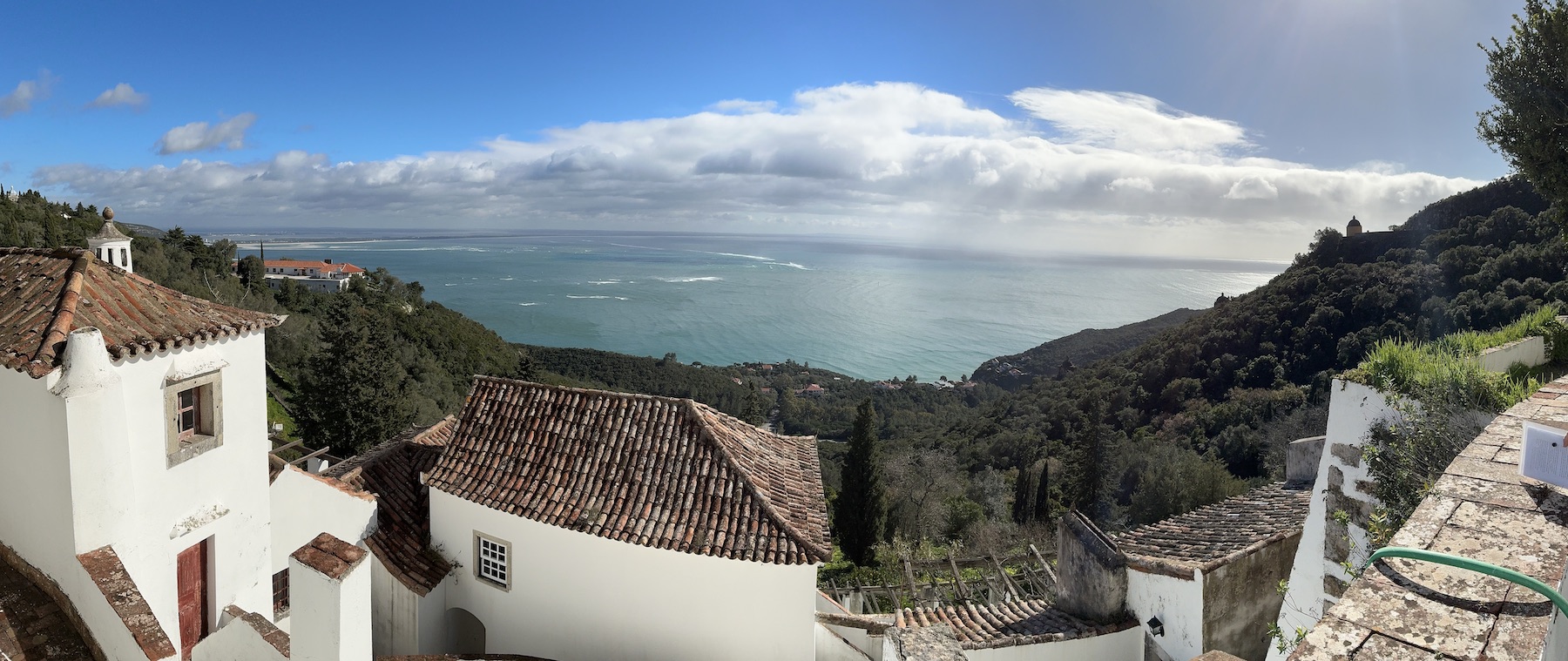
My travels and research in Avila and Salamanca brought me – joined by Eduardo – to the Arrábida Natural Park and the convent of Pedro de Alcantara, outside Lisbon in Portugal.
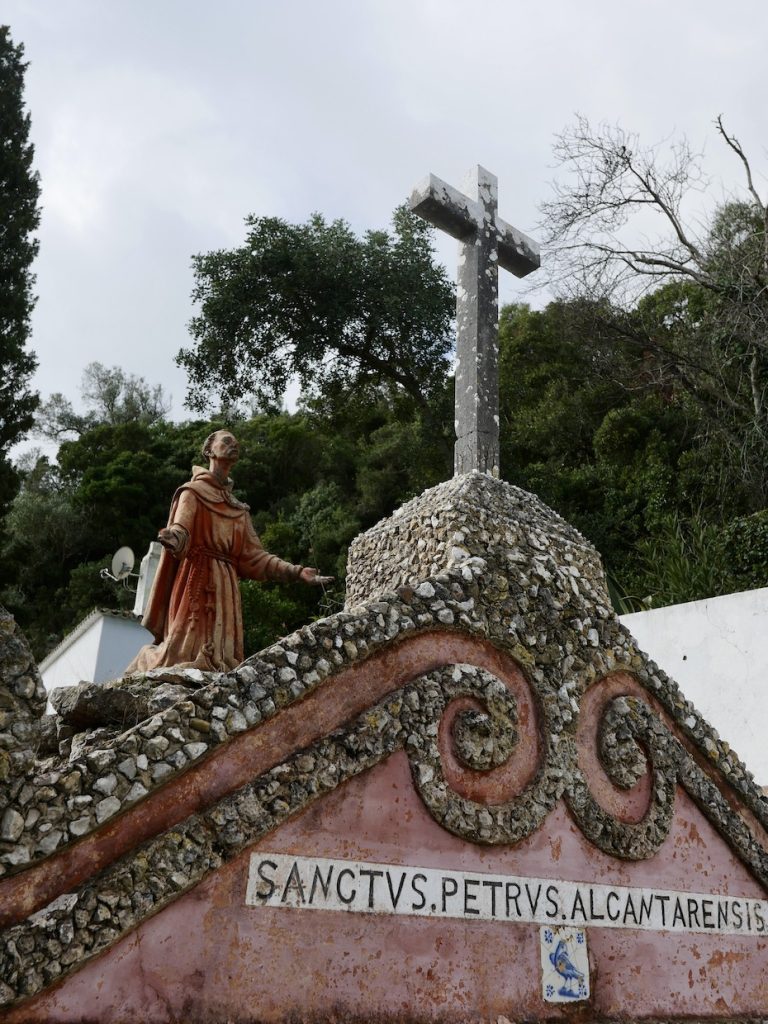
On the 800-year anniversary of Saint Francis of Assisi, I am ready to reveal the name of our new research project: Island Dwelling along the Franciscan Trail: Attending to Sea-Land Knowledge through Theo-Artistic Interventions. Where we will be connecting the lines between Biosphere regions, natural parks, Franciscan spirituality and archipelago theology on Kökar, along the King Valdemar Sailing route and all the way to Arrábida in Portugal.
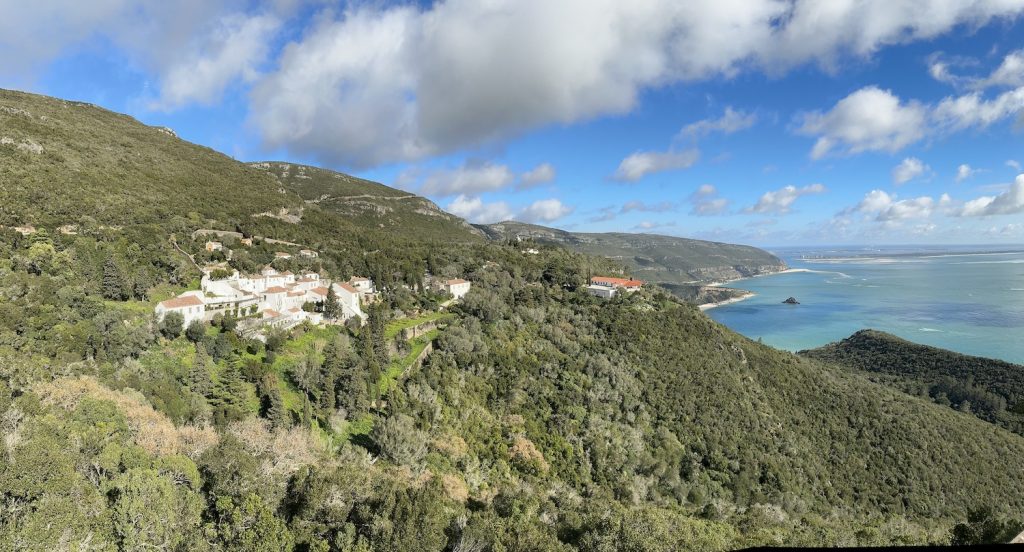
Photos: Eduardo Abrantes & Laura Hellsten
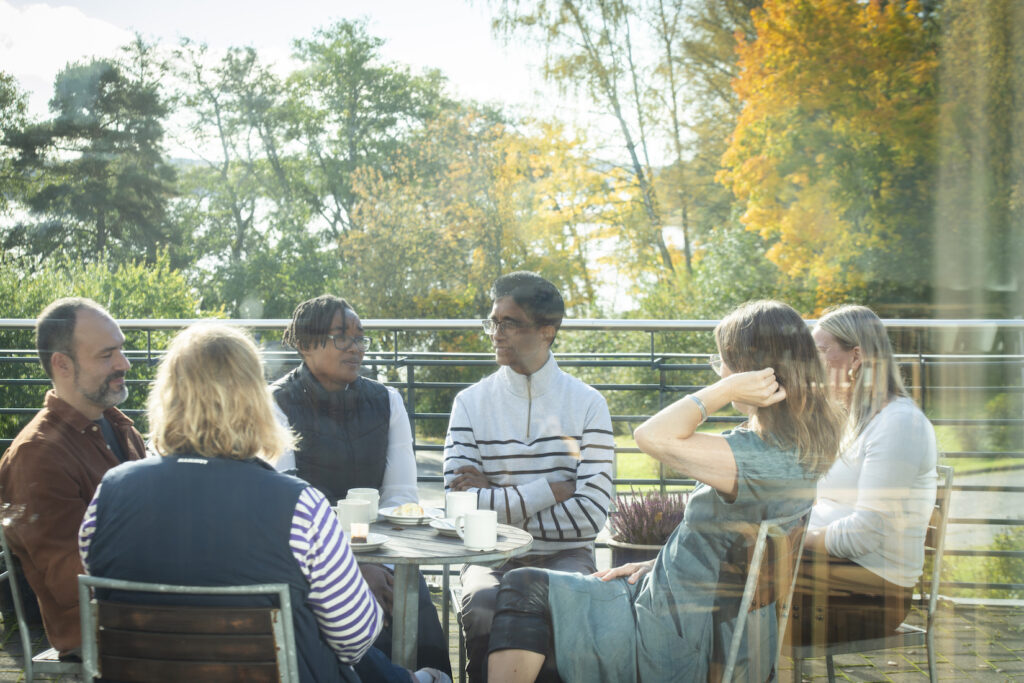
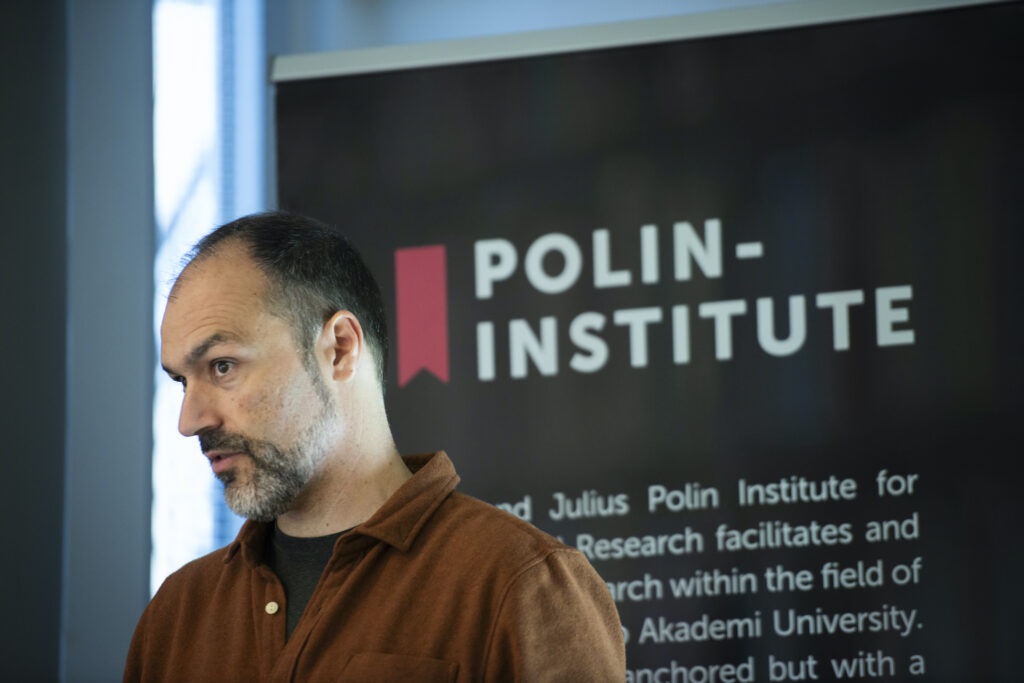
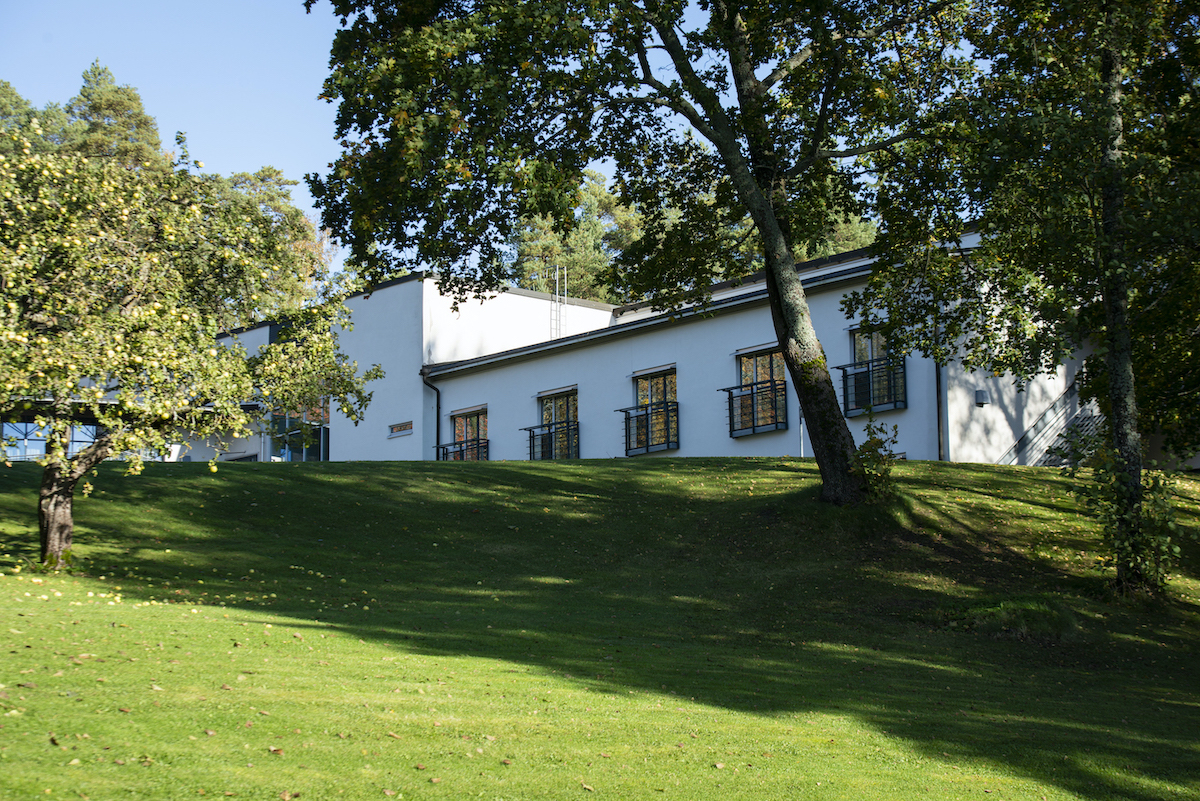
From Wednesday, 8th of October to Friday 10th, Eduardo Abrantes and I hosted the Pollination Days at Sinppi campsite outside of Turku.
We had promised to bring tools that support researchers with skills that are needed in interdisciplinary research. We broke the tools down into two main categories: learning to think like a research architect and using temporal intelligence in research design. These are skills that we have identified as tacit knowledge, arising from both my previous ethnographic studies in the BACE research team and things I wish somebody had taught me before starting to lead community-based research projects.
Photos: Pekko Vasantola
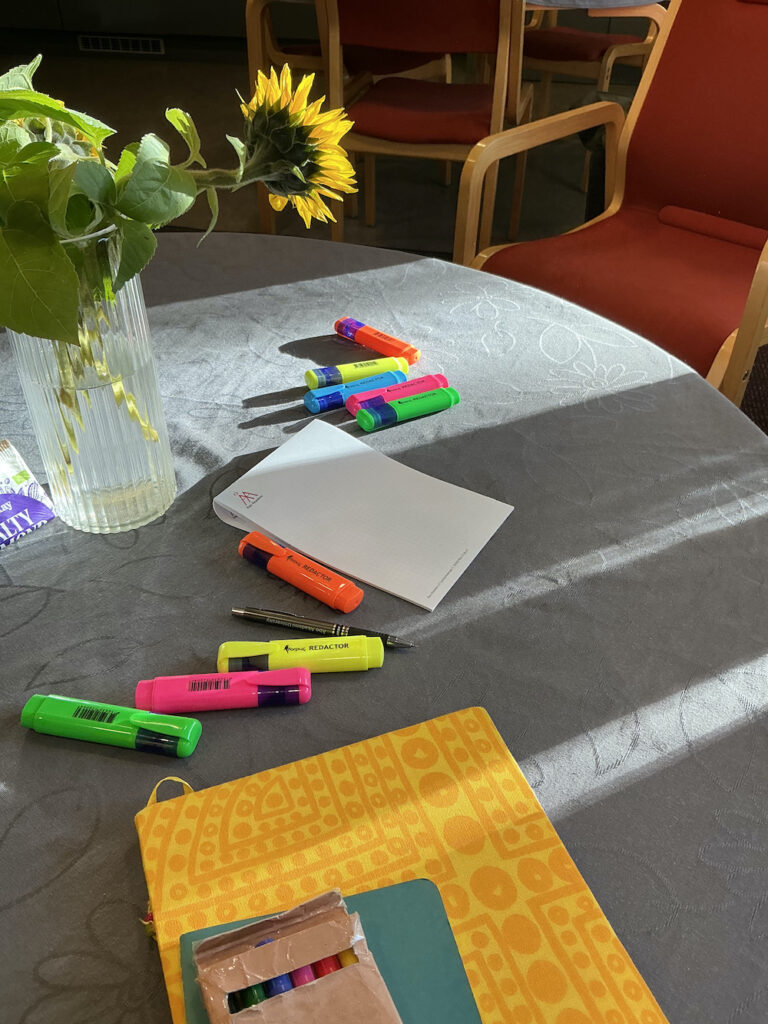
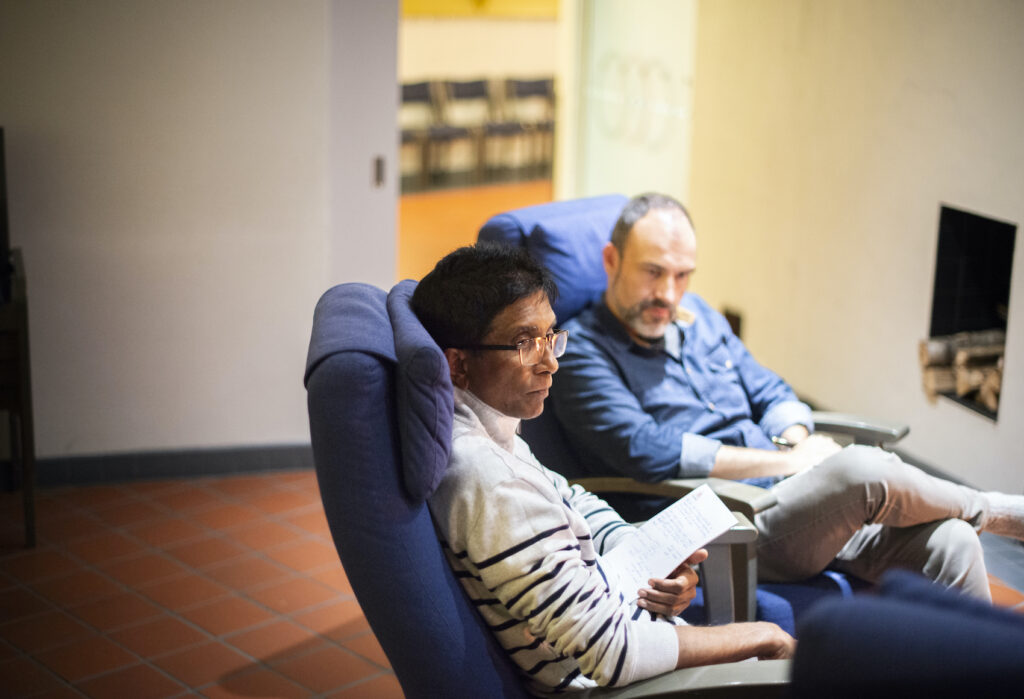
At the same time, we also wanted to teach these skills in creative and fun ways! Both Eduardo and I know that academia is full of people sitting around at what might be insightful seminars, yet not ending up with any concrete benefits to their ongoing projects and work. This is why we asked the participants to bring with them a document – be it for a research plan, ongoing book project or thesis work – that they have gotten stuck with or where they have identified some hidden gaps or possibilities in need of development. Our task was to move people from written words on paper and the communication of research questions into a process of unravelling new insights.
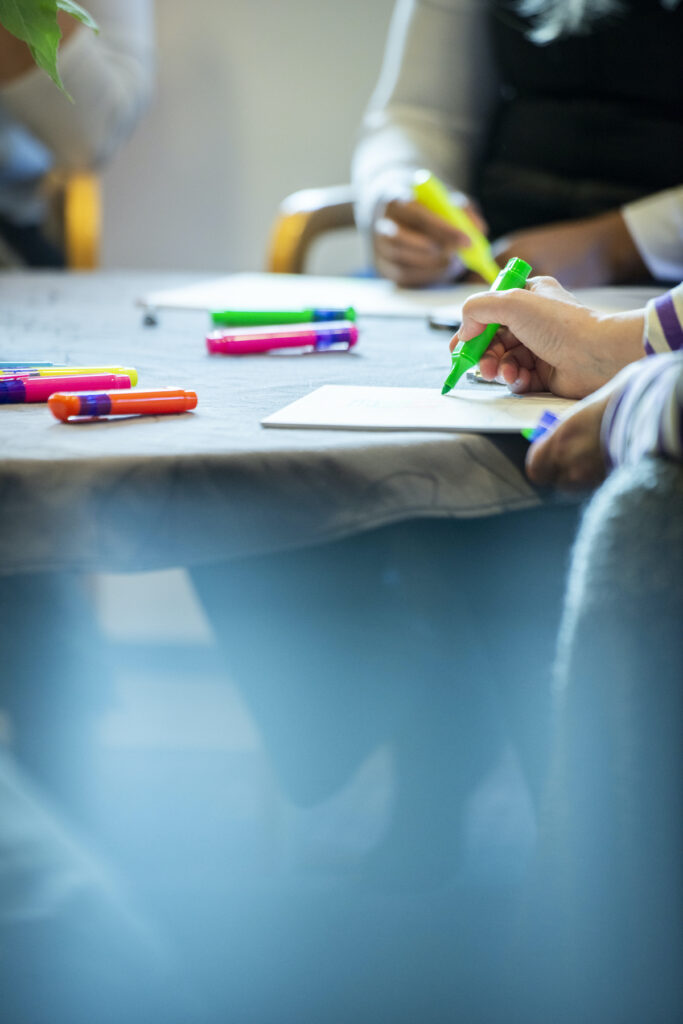
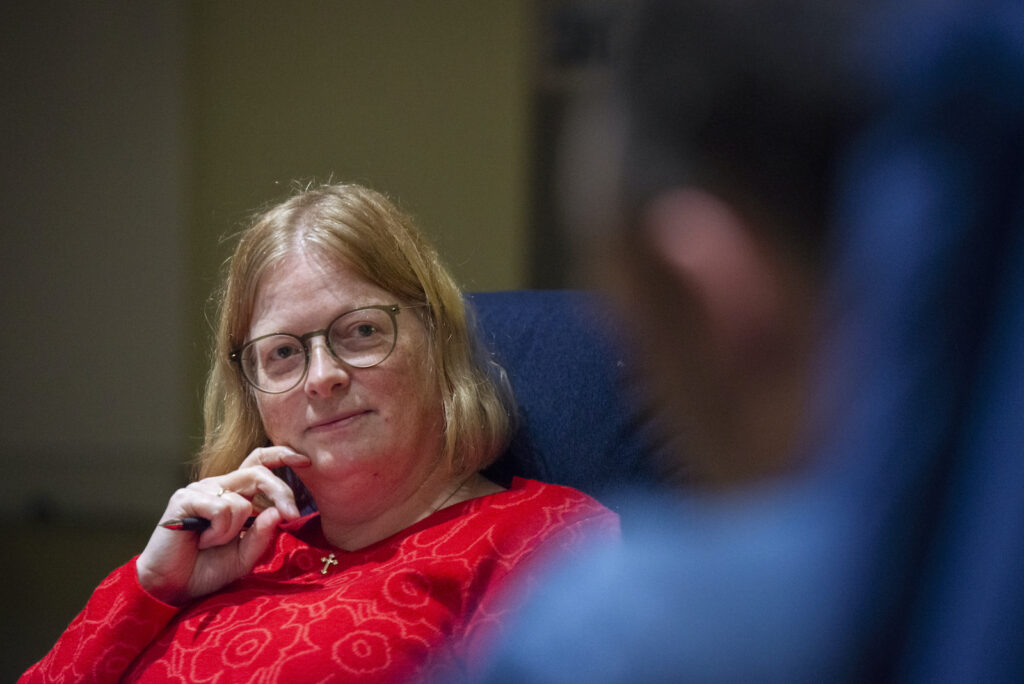

Photos: first Laura Hellsten, rest Pekko Vasantola
With the help of conceptual frames like mental palaces and architectural structures, we asked everyone to build their book, plan or work while looking critically at questions like foundations, walls, openings, work, and material flows from one part to another etc. What made me really happy was to see how readily people went into the task, and how the community supported each other in the explorations and gaining of insights.
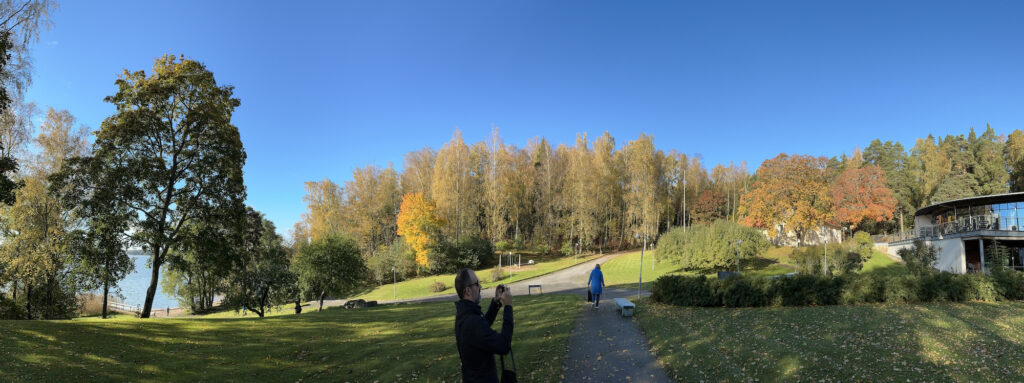
We started by going out to gather materials.
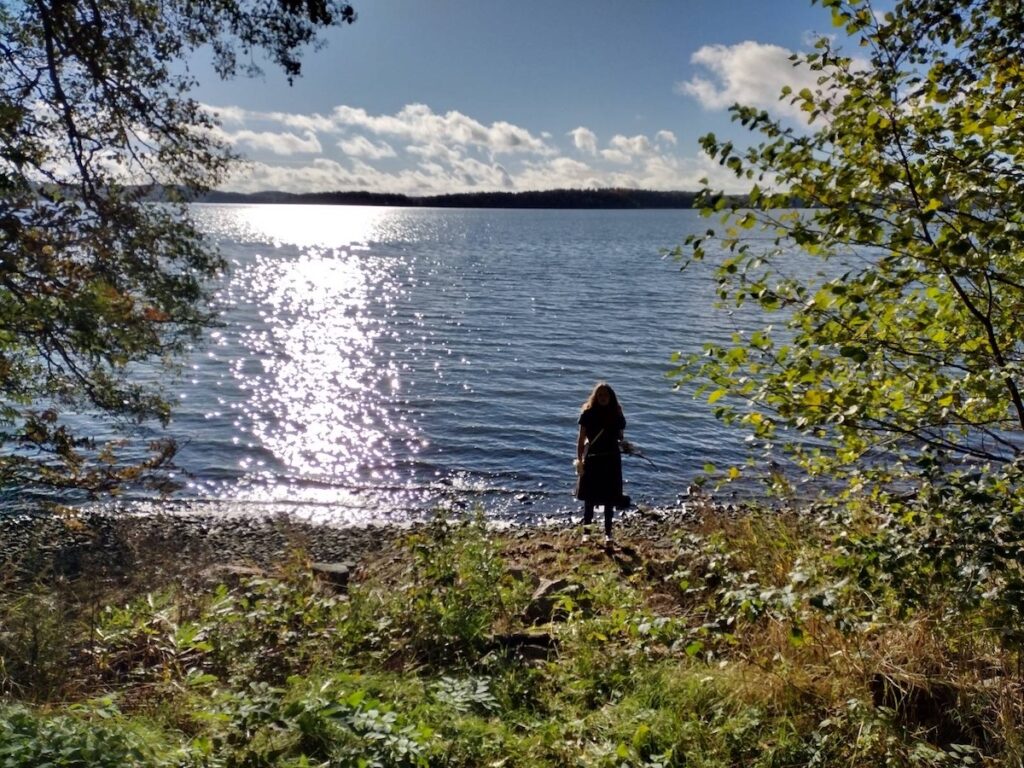
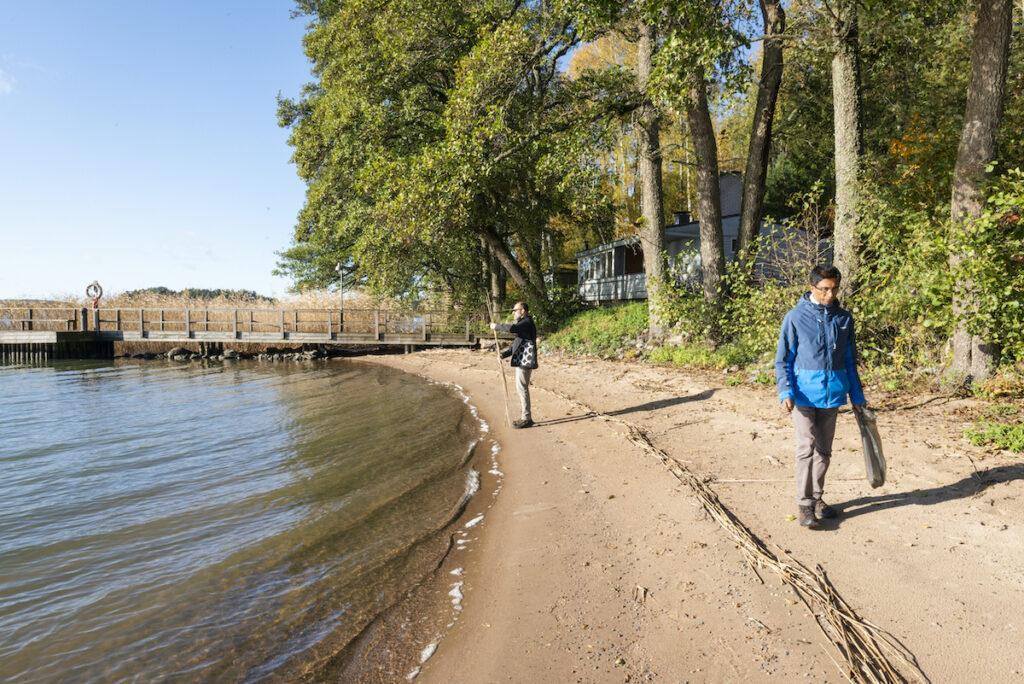
Photos: panorama Laura Hellsten, second Eduardo Abrantes and last Pekko Vasantola
Then commenced the building process, resulting in a variety of different forms: an African village, a lighthouse, an island, a house and a yard. Each of the structures where then presented by the main architect and supported by the insights given by their main collaborative colleague, followed by community sharing and discussions. I myself had quite some insights in developing my own sailing boat, which I will share more about in a coming post.
We are so happy about how this exercise developed, and we look really forward to seeing and hearing how these ideas have developed in a year from now!
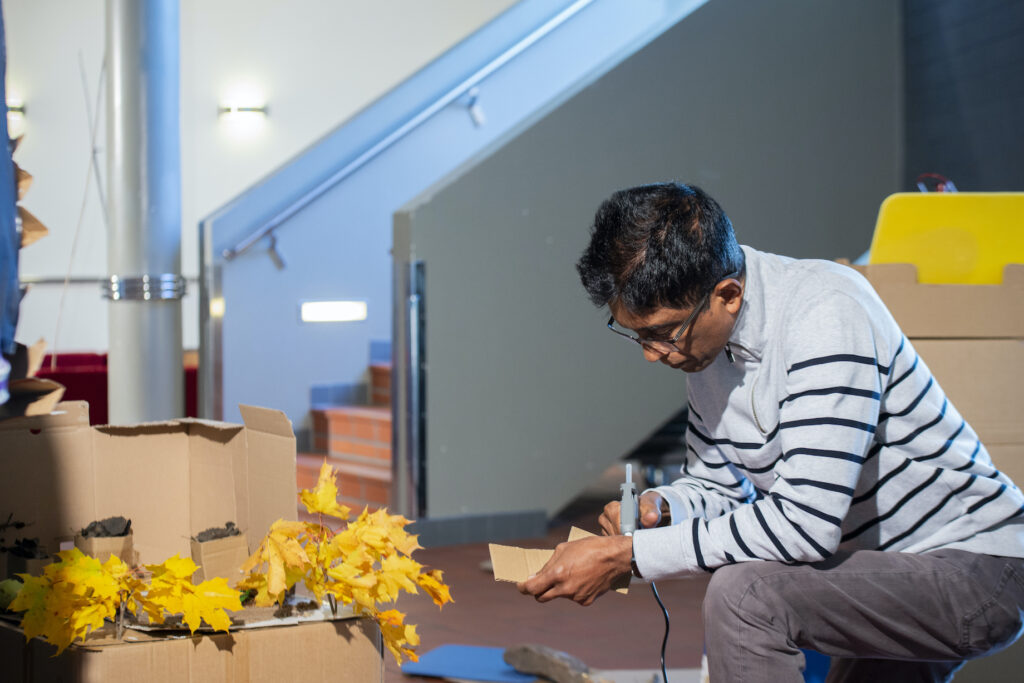
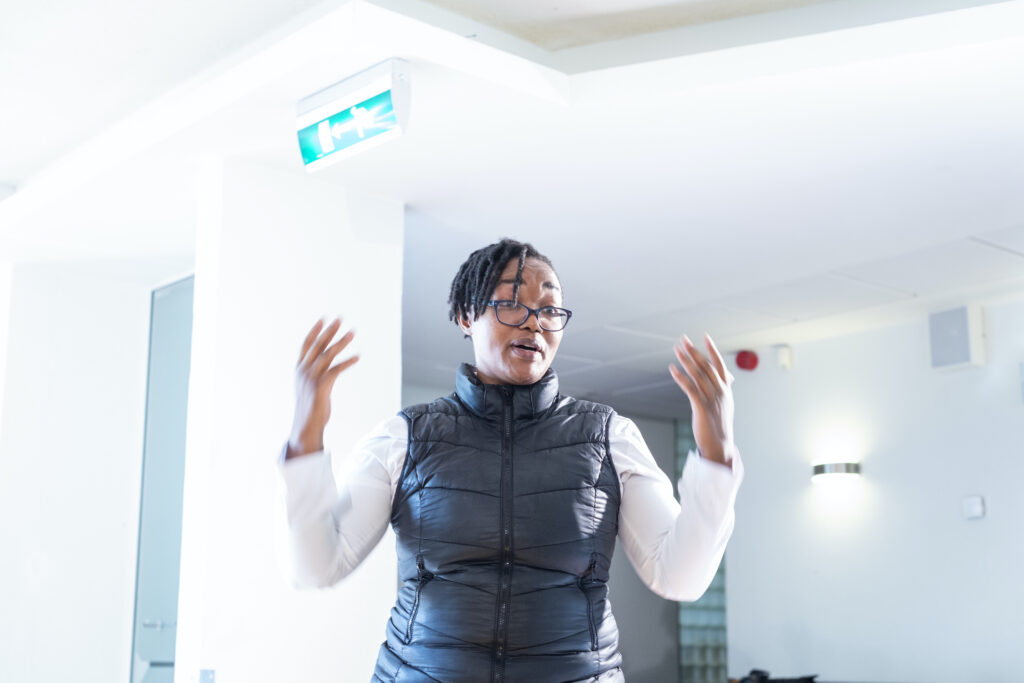

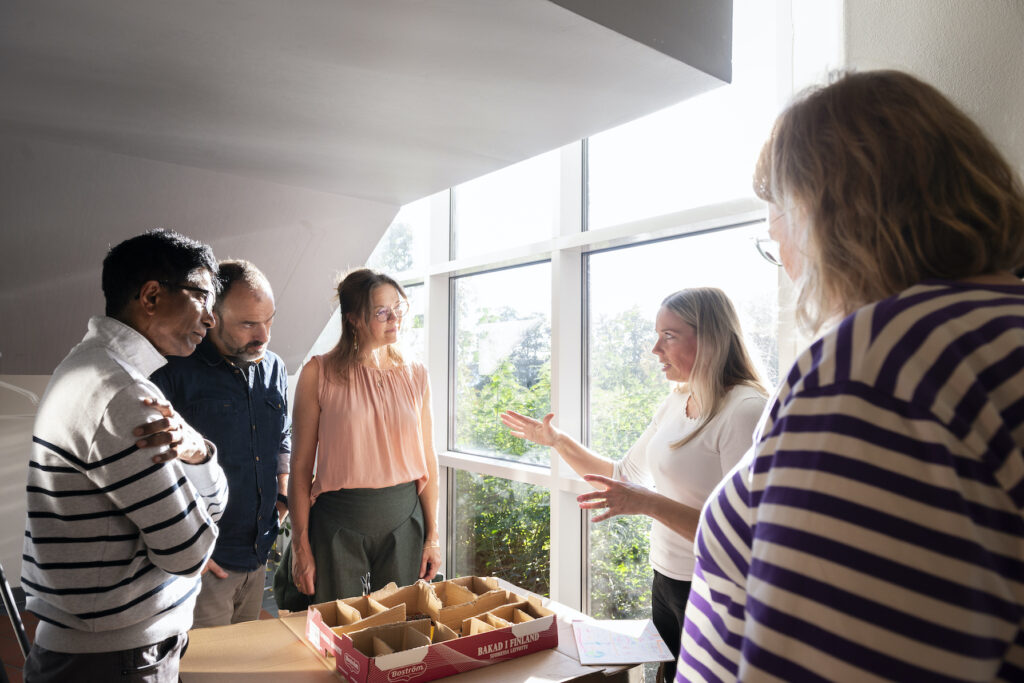
Photos: Pekko Vasantola
Some of the feedback we received:
Thank you for the very fruitful days. The creative work on your transdisciplinary insights has already helped me a great deal, both in terms of my own research, but also in explaining transdisciplinary methods to my students and to reflect further on in international cooperation. And the exercises were fun!
Great to have such a variety of participants join us for the Pollination Days 8–10 October 2025. This is a two-day interdisciplinary workshop designed to bring together researchers across Åbo Akademi. The goal is to improve collaboration skills and expand your academic toolkit.
What you can look forward to:
- mastering the art of interdisciplinary fluency and interpersonal agility: by developing practical competencies in both interdisciplinary dialogue and interpersonal collaboration, enabling clearer articulation of ideas across diverse academic domains and more effective teamwork.
- learning to think like a research architect: spotting hidden gaps, tracing emerging possibilities, and charting compelling vectors of inquiry that push your field forward.
- temporal intelligence in research design: by developing a cyclical mindset for research planning—recognising rhythms, feedback loops, and timing as tools to make the processes more sustainable.
Program
Wednesday, 8th of October
16:00 Ride leaving from Theologicum
16:40 Arrival and check-in to your rooms at Sinappi
17:00 Dinner and Welcome
19:00 Evening program
Thursday, 9th of October
08:30 Breakfast
09:30 Arrival of day participants
First Session
12:00 Lunch and mid-day break
Second Session
14:00 Afternoon FIKA
Third Session
17:00 Dinner
Community Presentations
20:00 Sauna at the Sea
Friday, 10th of October
08:30 Breakfast
Closing remarks and work ahead
12:00 Lunch
Wrapping things up
13:00 Leaving for Turku
Now you can also see what actually happened during the days here!
02.02.2026 | Community work
Where the Sea meets the Land
Eduardo Abrantes said it so well in a meeting yesterday with our collaborators at University of Iceland (Háskóli Íslands): When your research methods include travelling, this is what happens: you encounter new people and places in unexpected manners! During my fieldwork journey to Spain and Portugal at the beginning of the year 2026, this is […]
17.10.2025 | Community work
Exploring architectural research in community
From Wednesday, 8th of October to Friday 10th, Eduardo Abrantes and I hosted the Pollination Days at Sinppi campsite outside of Turku. We had promised to bring tools that support researchers with skills that are needed in interdisciplinary research. We broke the tools down into two main categories: learning to think like a research architect […]
29.09.2025 | Community work
Pollination Days at Sinappi Centre
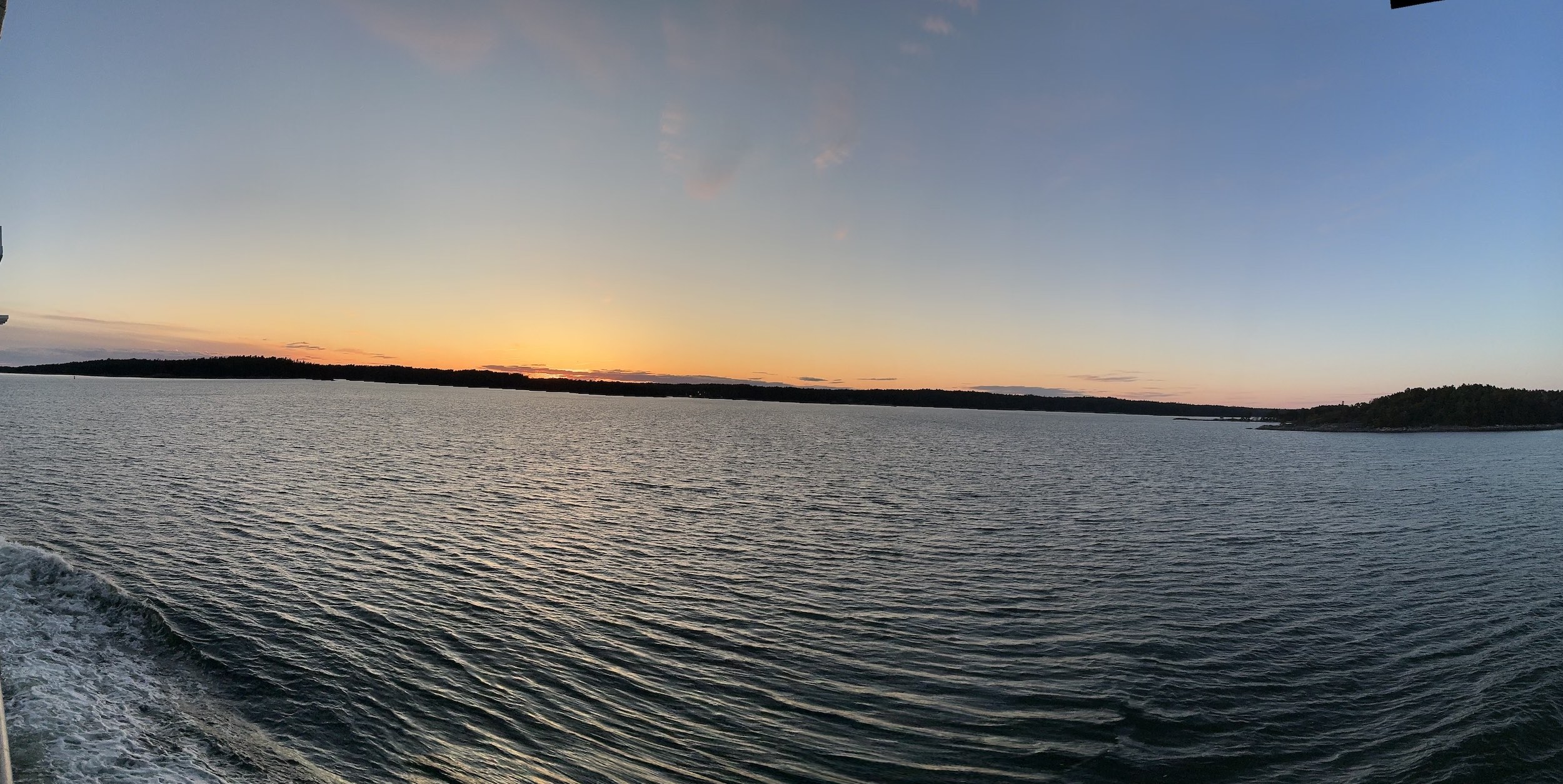
Great to have such a variety of participants join us for the Pollination Days 8–10 October 2025. This is a two-day interdisciplinary workshop designed to bring together researchers across Åbo Akademi. The goal is to improve collaboration skills and expand your academic toolkit. What you can look forward to: Program Wednesday, 8th of October 16:00 Ride […]