

Exploring architectural research in community
17.10.2025
From Wednesday, 8th of October to Friday 10th, Eduardo Abrantes and I hosted the Pollination Days at Sinppi campsite outside of Turku.
We had promised to bring tools that support researchers with skills that are needed in interdisciplinary research. We broke the tools down into two main categories: learning to think like a research architect and using temporal intelligence in research design. These are skills that we have identified as tacit knowledge, arising from both my previous ethnographic studies in the BACE research team and things I wish somebody had taught me before starting to lead community-based research projects.
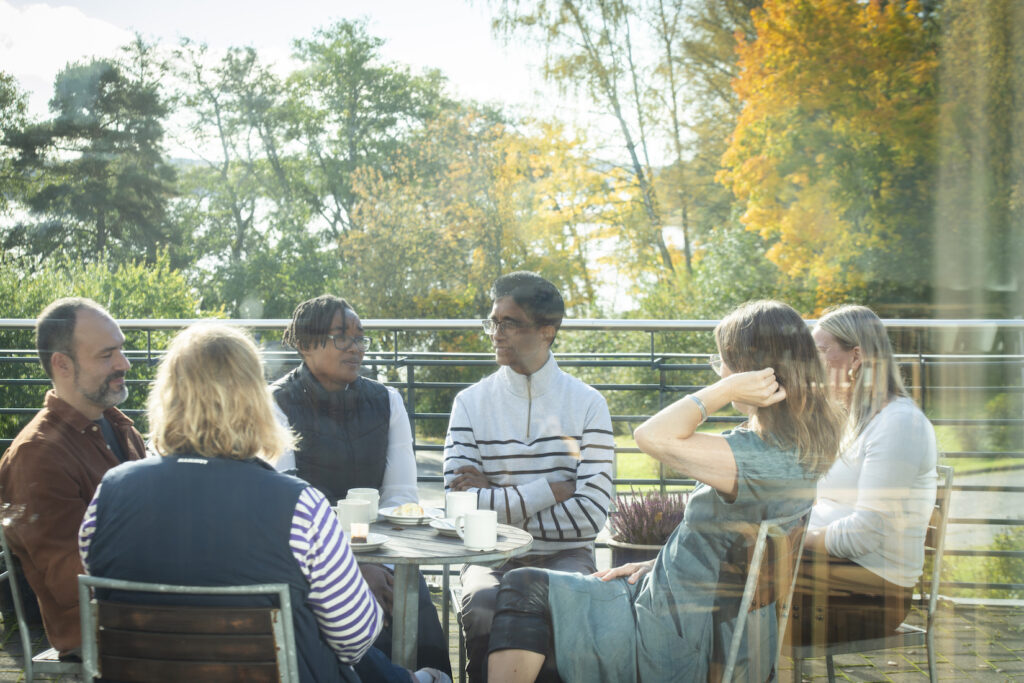
Photos: Pekko Vasantola
At the same time, we also wanted to teach these skills in creative and fun ways! Both Eduardo and I know that academia is full of people sitting around at what might be insightful seminars, yet not ending up with any concrete benefits to their ongoing projects and work. This is why we asked the participants to bring with them a document – be it for a research plan, ongoing book project or thesis work – that they have gotten stuck with or where they have identified some hidden gaps or possibilities in need of development. Our task was to move people from written words on paper and the communication of research questions into a process of unravelling new insights.
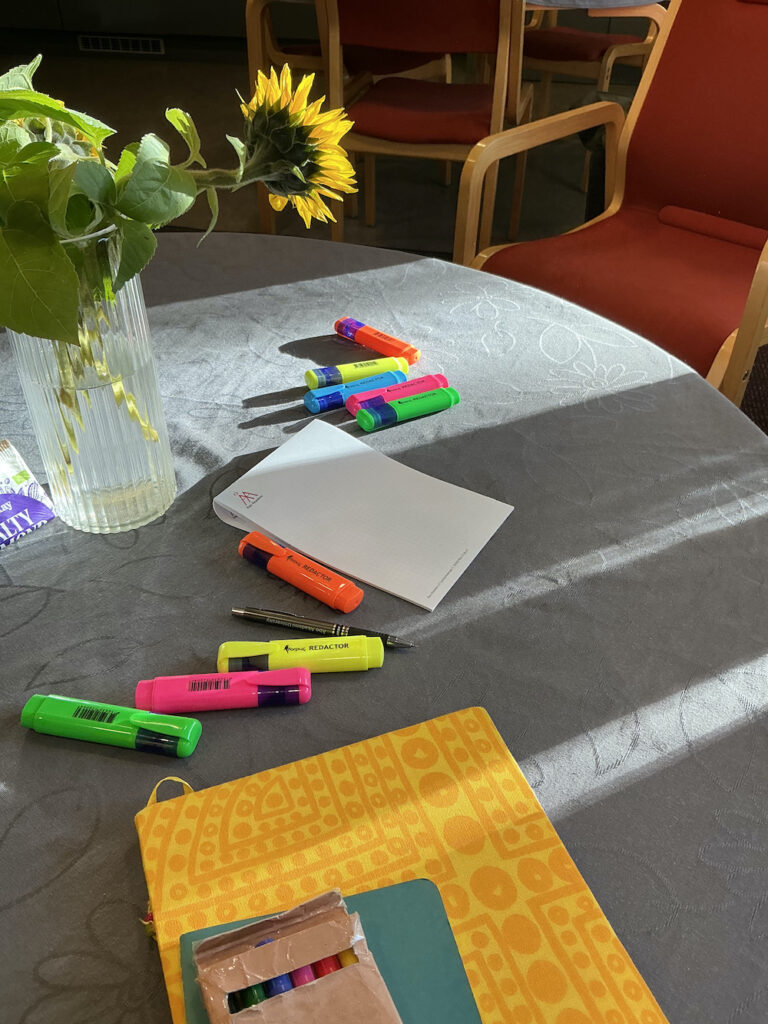
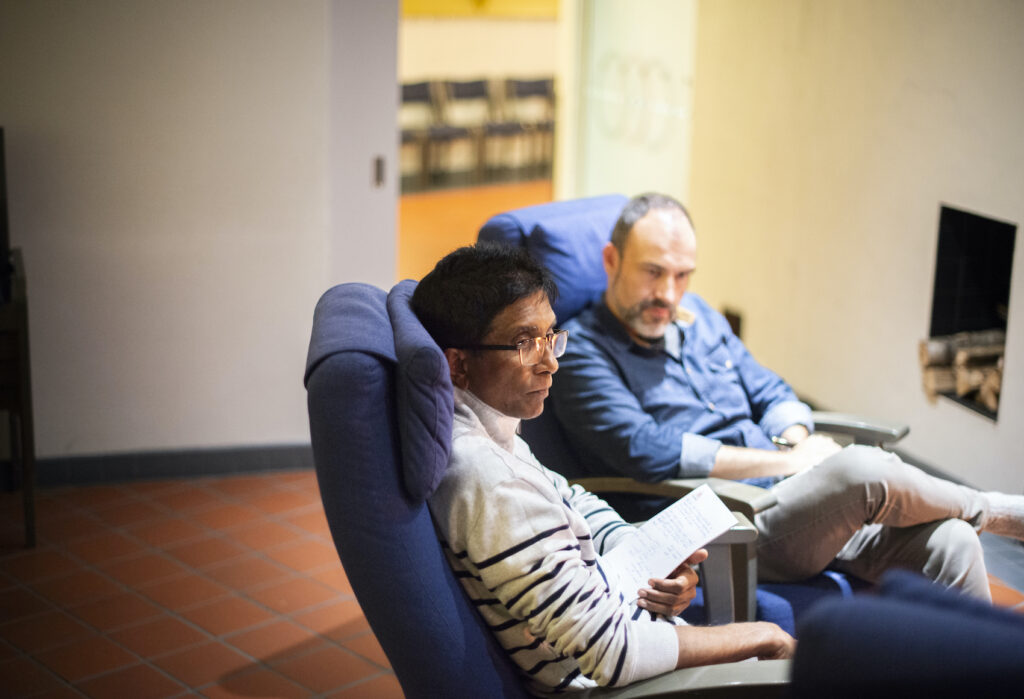
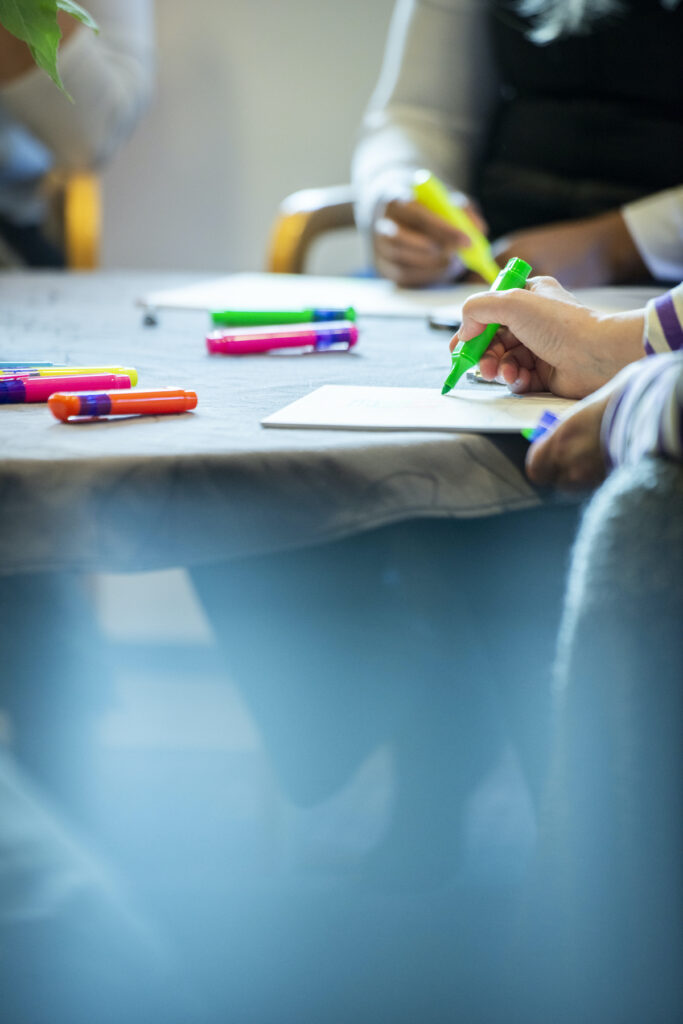
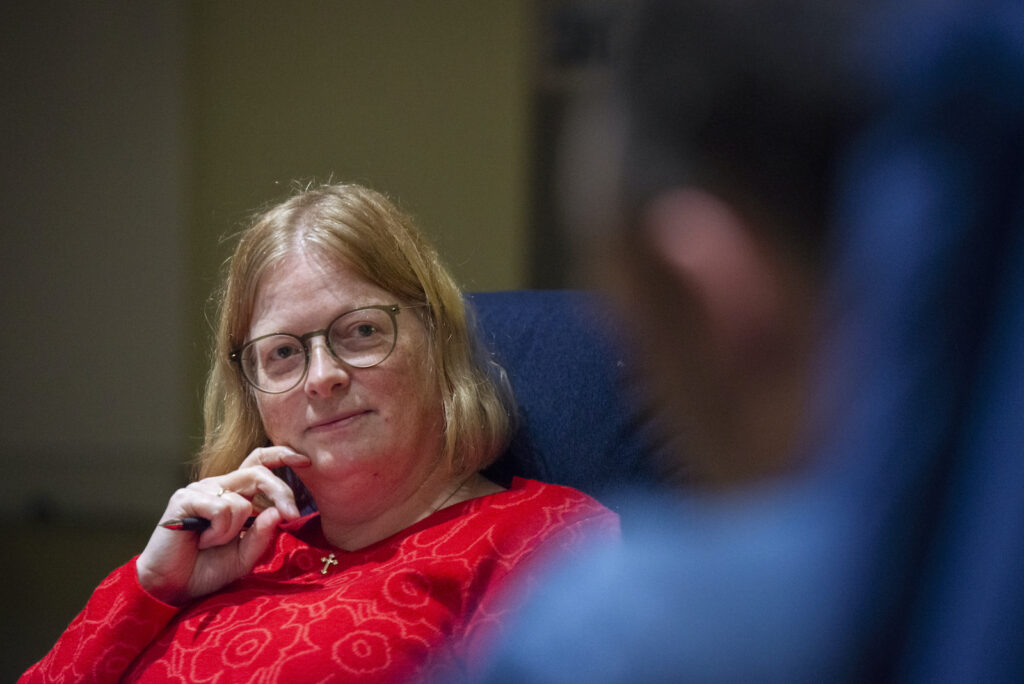

Photos: first Laura Hellsten, rest Pekko Vasantola
With the help of conceptual frames like mental palaces and architectural structures, we asked everyone to build their book, plan or work while looking critically at questions like foundations, walls, openings, work, and material flows from one part to another etc. What made me really happy was to see how readily people went into the task, and how the community supported each other in the explorations and gaining of insights.
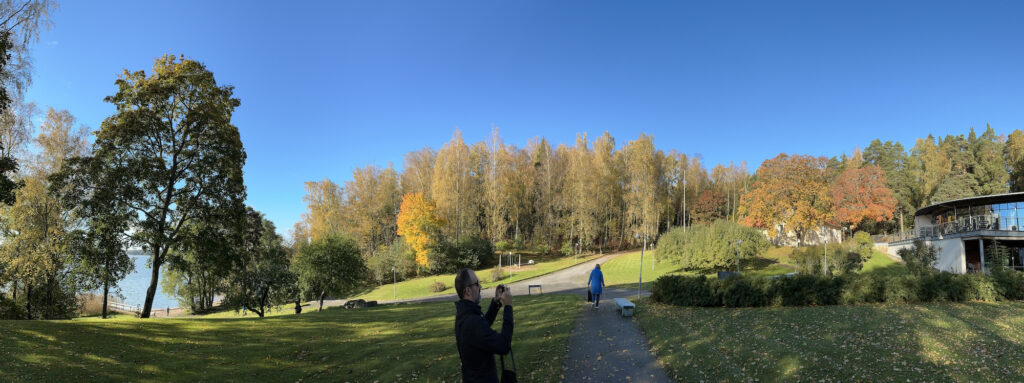
We started by going out to gather materials.
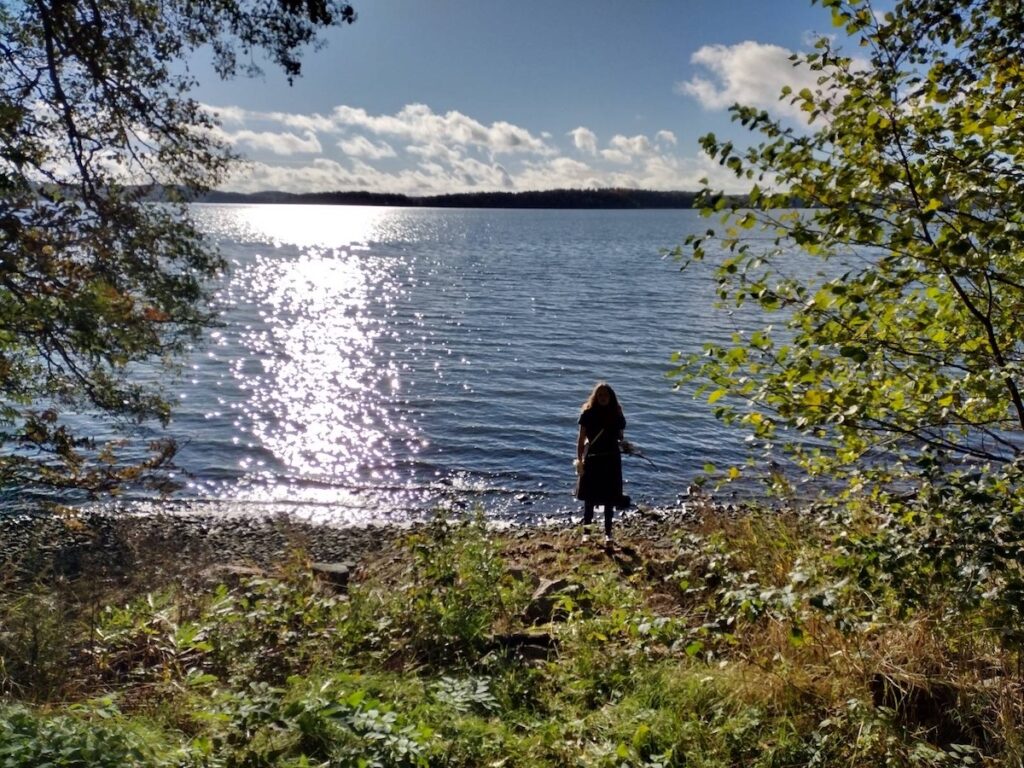
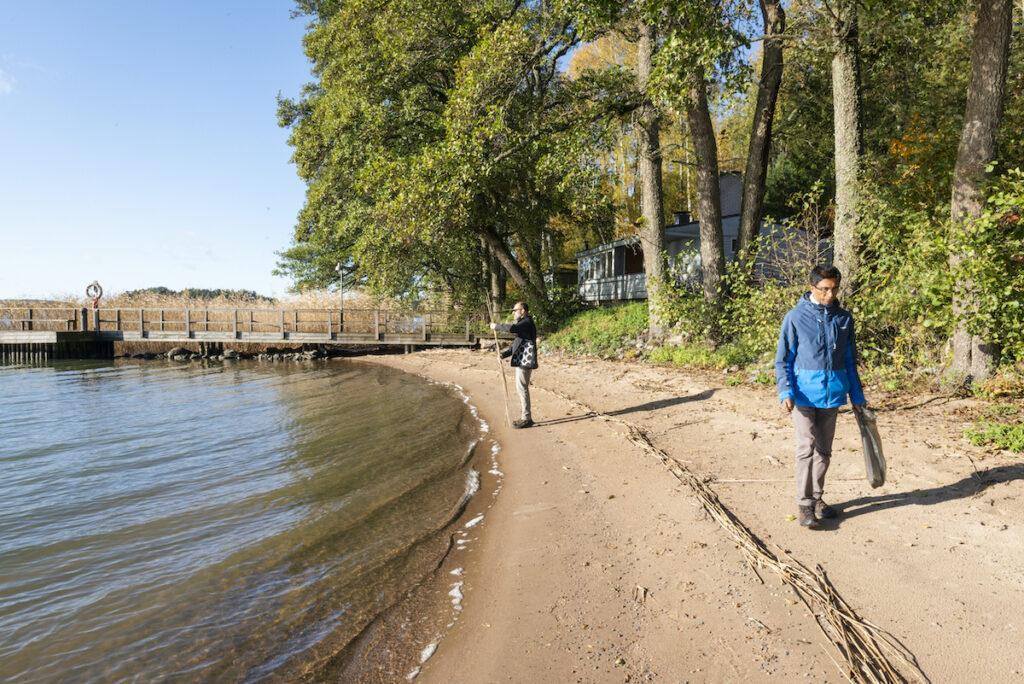
Photos: panorama Laura Hellsten, second Eduardo Abrantes and last Pekko Vasantola
Then commenced the building process, resulting in a variety of different forms: an African village, a lighthouse, an island, a house and a yard. Each of the structures where then presented by the main architect and supported by the insights given by their main collaborative colleague, followed by community sharing and discussions. I myself had quite some insights in developing my own sailing boat, which I will share more about in a coming post.
We are so happy about how this exercise developed, and we look really forward to seeing and hearing how these ideas have developed in a year from now!
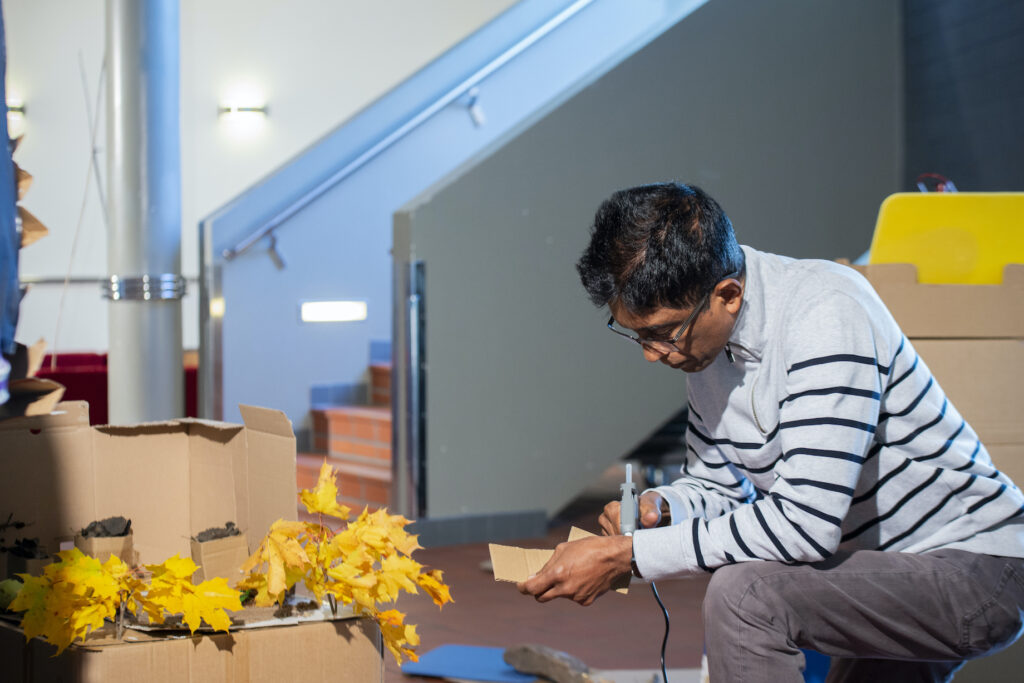
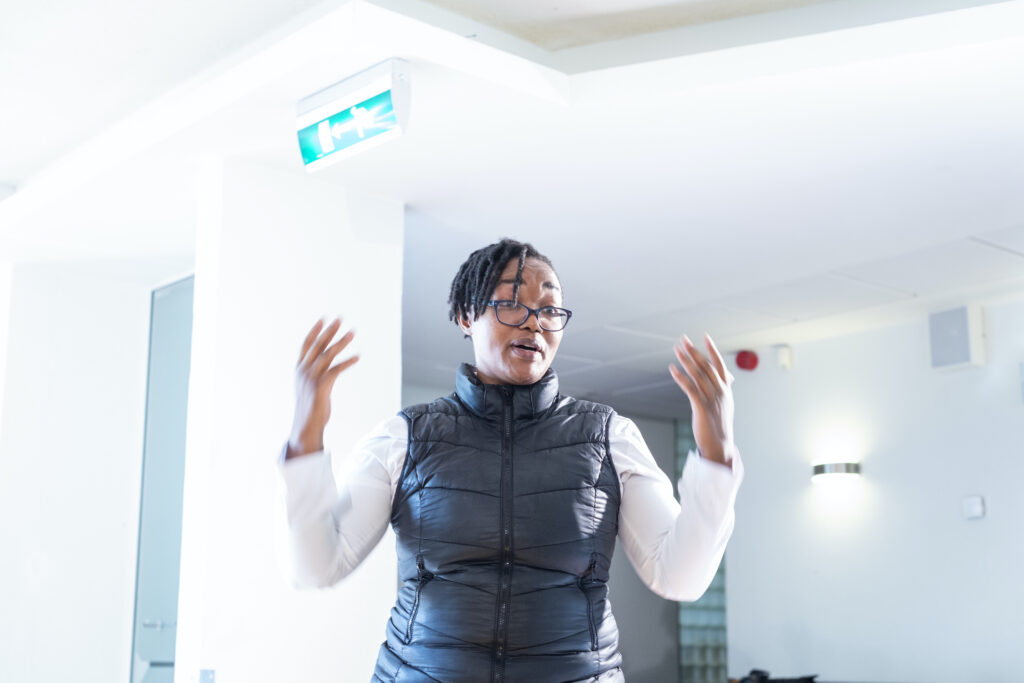

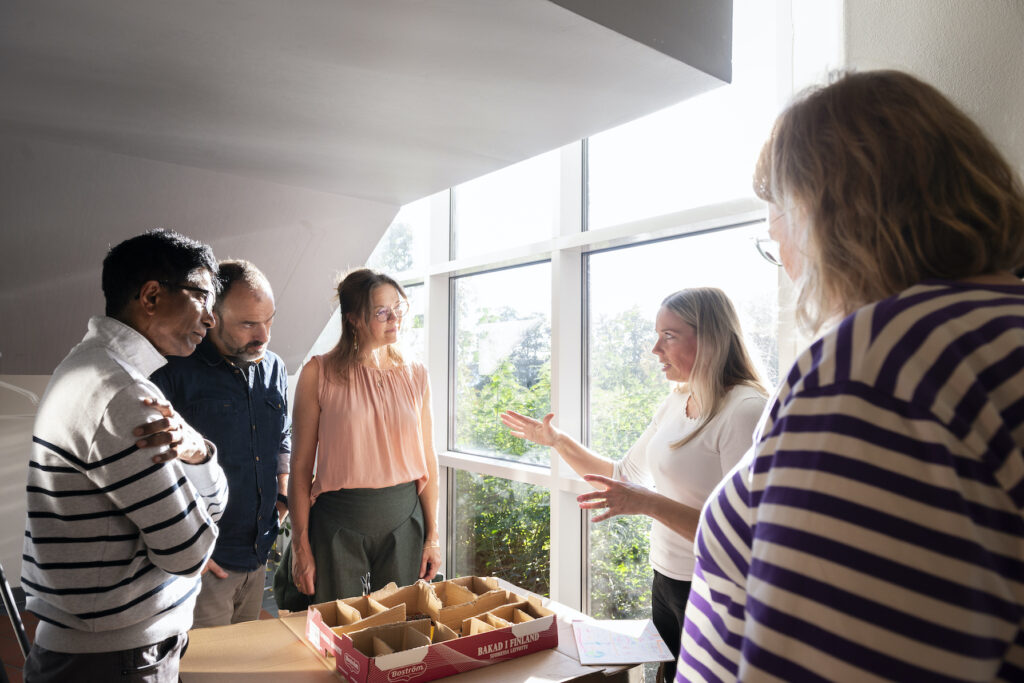
Photos: Pekko Vasantola
Some of the feedback we received:
Thank you for the very fruitful days. The creative work on your transdisciplinary insights has already helped me a great deal, both in terms of my own research, but also in explaining transdisciplinary methods to my students and to reflect further on in international cooperation. And the exercises were fun!