Music, Folklore and Living Landscapes
09.11.2026
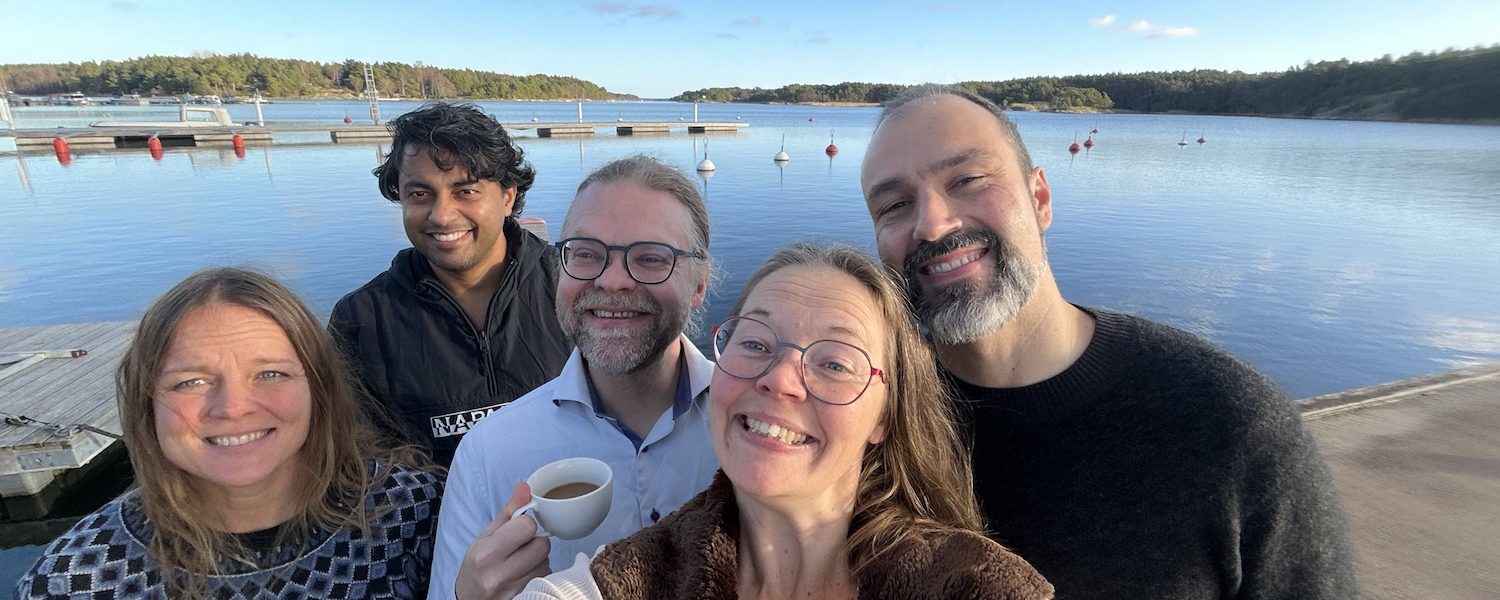
We had such a rich start of November with Eduardo visiting Turku and Korpoström.
It started off with Polin events where we got to welcome Pamela Slotte Russo as the new director of the Stiftelsen för Åbo Akademi Institute and saw many happy faces.
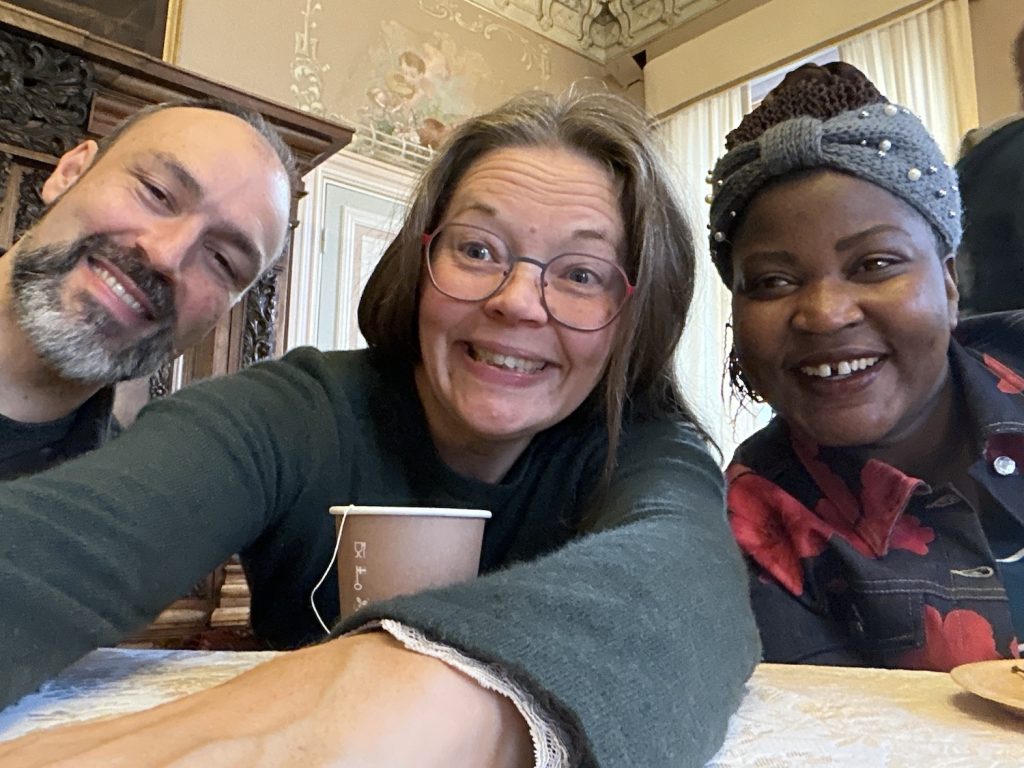
Then we did some preparation work before heading into the calmness and brightly starlit skies of the archipelago. Together with the Skärgårdshavets Biosfärområde, Archipelago Centre Korpoström and the Archipelago Institute at Åbo Akademi University we hosted the forum för skärgårdsforskning event: Musik, folktro och levande landskap.
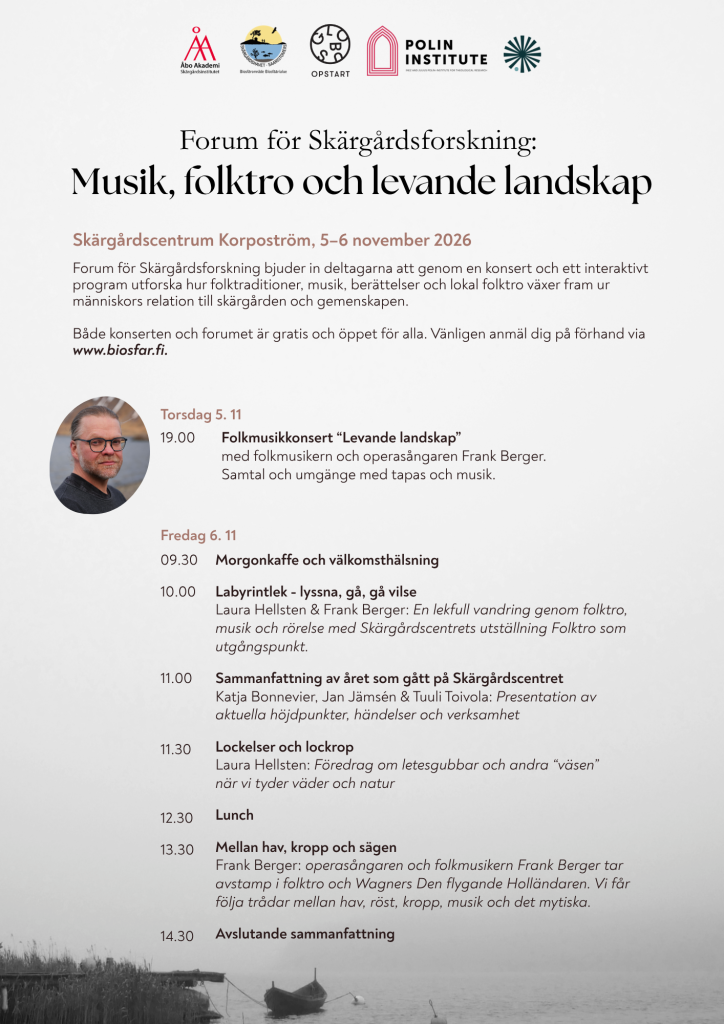
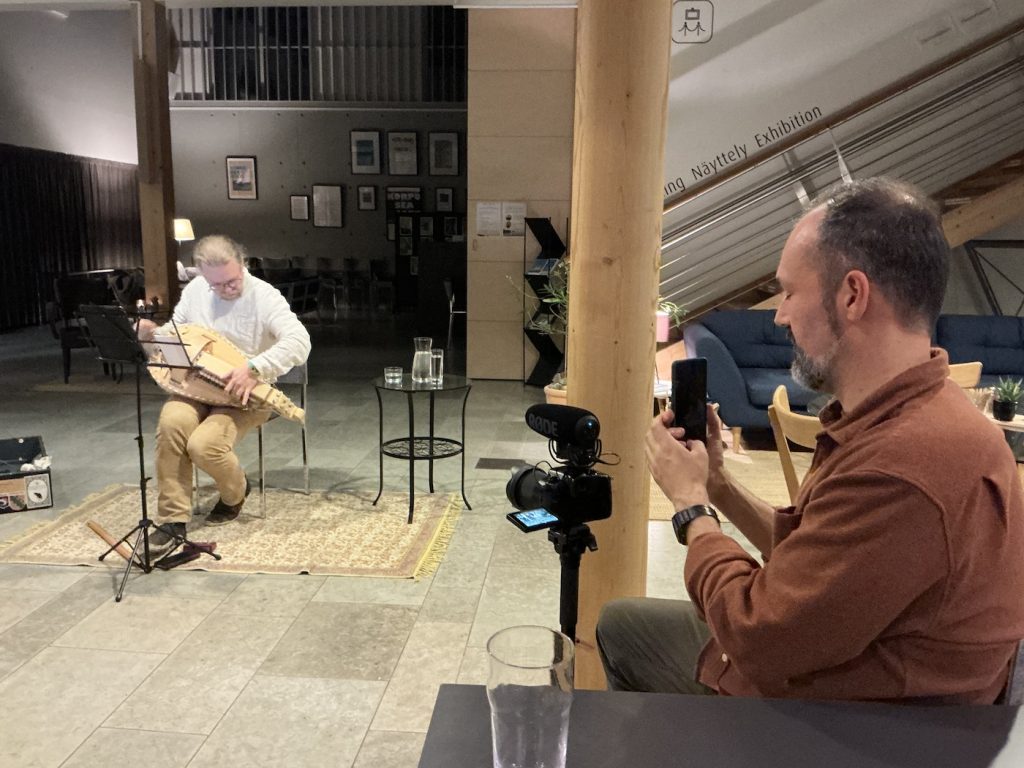
The one-and-a-half-day-long event started with a concert by Frank Berger, brought forth some of the artistic collaborations that germinated during our transdisciplinary course Knowledge at Sea to Iceland in May, and it was lovely to see course participants join us.
During my lecture, Lockelser och lockrop – Vad kan sjörån och letesgubbar lära oss om lokal ekologisk skärgårdskunskap? I even had time to present one of the leading ideas we have for the new research we look forward to doing at Vargata Träsk together with Maximilian Gareis from Ålands Landskapsregering.
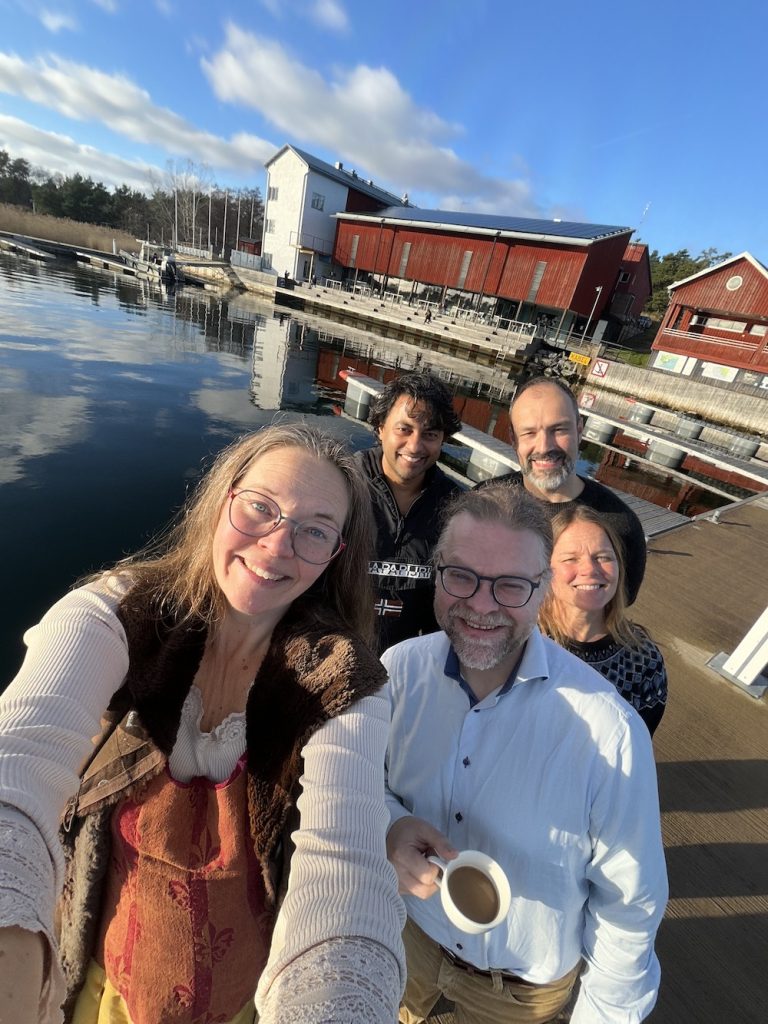
What I appreciated most was the valuable feedback from local community members from Korpo, Nagu, Houtskär, and Kökar on the facilitation. When archipelago dwellers state things like: ”Finally, researchers who do not come here to lecture at us, but actually invite us into practices, experiences and processes where we get to explore their work together with them” and ”This is genuinely groundbreaking – to look into our local stories and literature for clues on how to build interventions for current-day problems!” it feels like we are on the right track.
When I was a student in Lovisa Mienna Sjöberg’s classes in Kautokeino, I realised how draining and frustrating the over-researching is for exoticised places like Sapmi and the archipelago. Knowledge extraction is a fact, and genuine collaborations take time, trust and conscious practice to build. With these kinds of responses, I think we found a good balance between invitation and co-creation of what Rachel Kelly spoke about at Centre for Sustainable Ocean Science (SOS)seminar on Ocean literacy.