
Island Dwelling along the Franciscan Trail
Attending to Sea-Land Knowledge through Theo-Artistic Interventions.
This project takes the format of a series of transdisciplinary (TD) symposia that happen on islands, in the sea and at shorelines where Franciscan communities travelled. One of these trails is found in the Itinarium and Liber Census Daniæ by Valdemar II Valdemarsen (1170–1241), where an account of sailing routes from Denmark to Kökar and Reval is described, and another one takes us with Pedro de Alcantara (1499-1562) to the Arrabida Biosphere Reserve in Portugal. The research project is deeply inspired by two rather different and trail-blazing figures. First, are the theological practices developed by Teresa of Avila (1515-1583) when she struggled in the late medieval and early modern period with the colonial theology that was promoted and developed around her. Secondly, the Åland-based theologian Valdemar Nyman (1904-1998), who initiated both archipelago and island eco-theology before such disciplinary traditions were even coined, by teaching and creating artistic work that gave voice to more-than-human and multi-species presence in creation. While finding inspiration in these journeys and authors, we ask ourselves and the local communities we meet with, what can be learnt from the past that might bring new insights to our relationship with creation in the present? And how could the minor histories of spiritual formation practices create space for local island knowledge to be in dialogue with other types of knowledge when we seek solutions for a flourishing Archipelago?
Sammanfattning på svenska
Bakgrund och forskningsläge
Europeiska unionen har en biodiversitetsstrategi som syftar till att öka antalet beskyddade land- och havsområden, stöda den långsiktiga restaureringen av viktiga ekosystem och implementera beslutfattningsprocesser som bättre beaktar naturvärden och möjliggör transformativ kunskap för planetärt välmående.[1] Genom det forskningssamarbete detta projekt har etablerat med Havsforskningsprofilen vid Åbo Akademi och Centret för Sustainable Ocean Science har vi lärt oss att även när denna typ av strategier och policydokument är välskrivna möts de ofta av tre typer av utmaningar.[2] Det första handlar om kunskap. För att kunna göra visa beslut kring frågor om biodiversitet krävs kunskap från många olika områden – både innanför och utanför akademiska fält.[3] Det är av denna orsak som detta projekt jobbar med transdisciplinära metoder och med att sammanföra forskare, konstnärer och samhällsaktiva till gemensamma symposier för att utveckla transdisciplinära färdigheter och utforska transdisciplinär kunskap.[4] Den andra typen av utmaning handlar om att när policydokument implementeras som toppstyrda strategier, stöter ofta restaurerings- och naturskyddsrestriktioner på motstånd från delar av lokalbefolkningen. När beslutsfattningen istället startar på gräsrotsnivå brukar man nå både bättre beslut och långvarigare resultat. [5] Det sistnämnda är sammankopplat med den tredje utmaningen som identifierats av tidigare forskning: om man vill utöka beskyddade land- och havsområden och restaurera viktiga ekosystem i den finska och åländska skärgården, behövs ett brett engagemang av både privatpersoner, samfällda fiskelag och markägande samfund så som kyrkan.[6] Det är av dessa orsaker som detta projekt metodologiskt är utformat så att det har sin startpunkt i forskningsgemenskapens besök till olika ö-samhällen, formas kring en rad symposier där vi lär oss att lyssna till platskunskap och traditionellt skärgårdskunnande samtidigt som vi tillsammans utforskar det kulturarv och den andliga tradition som finns på just den ö vi besöker. Traditionellt har frågor om biodiversitet och teologi utforskats inom ekoteologin.[7] Utmaningen när det kommer till den forskning som bedrivits sedan mitten på 60-talet när Rachel Carson och Lynn White Jr publicerade sina manifest över hur den judiskt-kristna teologin och de västerländska idétraditionerna ansvarar för många av våra miljöproblem idag är att denna kritik sällan påverkar den dominanta vetenskapliga diskussionen.[8, 9] Teologiska röster har antingen ett eget kolonialt arv de inte gjort upp med – så som ofta är fallet med t.ex. frågan om kyrkans engagemang i mark- och skogsbruk i Sapmi.[10–12] Eller, så förblir de kritiska rösterna från blå humaniora, ocean literacy och vissa former av kontemplativ kristen teologi, en marginaliserad akademisk diskussion som inte når ett bredare vetenskapligt samfund eller en politisk arena av beslutsfattare.[13–16] Samtidigt har de senaste åren för med sig ett allt starkare ifrågasättande av det problematiska koloniala arvet som finns inbyggt i positivistiska vetenskapliga metoder och utmaningarna med de världsbilder som driver förenklande naturvetenskapliga diskurser, vilket gör vetenskapliga samarbeten svåra även för mer traditionella aktörer.[17–19] Som lösningar på dessa utmaningar efterfrågas både gräsrotssamarbeten och en typ av traditionell kunskap som innefattar religiösa, estetiska och andliga dimensioner för att bredda begreppet biodiversitet till att innefatta människan som medskapare i skapelsen.[20–22] Ofta vänder man sig med denna typ av frågeställningar till urfolksteologer, medan detta projekt föreslår att med en frihetsteologisk ansats kan också skärgårdsteologi aktivt bidra till en mer mångsidig samverkan mellan forskare, konstnärer och samhällsaktiva för Skärgårdshavets välmående.[23, 24]
Mål och frågeställningar
Enligt MARINE WISE är enbart 11,2% av Finlands marina vatten under beskydd, vilket är den lägsta procenten bland alla Östersjöområdets länder.[25] En av utmaningarna med att öka mängden beskyddade områden är att till detta behövs ett engagemang och en välvilja från vattenområdenas nuvarande förvaltare. Med detta forskningsprojekt ställer vi frågor kring förvaltarskap. Dels undrar vi ifall det finns olika former av förvaltarskap – skärgårdspraktiker – som inte får komma till tals och inte har tagits i beaktande när man skapar olika typer av beskydd av marina områden? Tidigare forskning visar att det finns samband mellan traditionell kunskap, som är en del av hur urfolk lever i samklang med de land- och vattenområden de är del av, och skärgårdsfokuserad lokalkunskap – en intergenerationell tacit kunskap som lever i de praktiker som genomförs i samband med jakt, fiske, båtförarskap och landskapsvård, samt i de berättelser som delas om livet i skärgården.[26–28] Detta projekt vill engagera sig i sådan tyst kunskap, inte som ett utdöende folkloristiskt fenomen som samlas i arkiv, utan som levande vardagspraktiker som kan göras mer explicita för olika kunskapsdiskussioner och berika våra pågående diskussioner om förvaltarskap.[29] Med de transdisciplinära symposier som projektet skapar bjuder vi in lokalbefolkningen, konstnärer, studenter och forskare för att samlas kring ett och samma bord för att lyssna till varandras behov och upptäcka varandras kunskapstraditioner. Som forskningsledare fungerar jag inte som en mellanhand som samlar kunskapen, utan som en facilitatör som tillsammans med min kollega Eduardo Abrantes aktiverar deltagarna för att upptäcka sina egna berättelser och öva sig på att uttrycka tysta praktiker som explicit kunskap.[30] I tidigare projekt har vi utvecklat en metod för detta som vi kallar teo-artistiska interventioner.[31] Målet är att samla deltagare till retreatliknande symposier på olika öar i Östersjön. Under symposierna faciliteras ett kunskapsutbyte som leder till fördjupade undersökningar kring frågor om biodiversitet, förvaltarskap och skapelseansvar. Valet av platserna är sammankopplat med den medeltida kung Valdemars seglingsled längs med vilken franciskanermunkar färdades från Danmark till Estland.[32] Tidigare forskning visar att det ofta finns ett samband mellan äldre heliga platser med bl.a. klostergemenskaper och dagens biosfärsområden där kunskap samlat om hur vi kan förvalta och vårda skapelsen.[33–36] En av hypoteserna detta projekt arbetar med är att utreda ifall den skärgårdskunskap vi möter hos lokalbefolkningen bär på spår av en fransiskans andlighet som kunde fungera som en resurs för dagens biodiversitetsarbete. För att facilitera sådana upptäckter kommer symposierna att använda sig av medeltida reseskildringar från de regioner vi besöker och utforska lokala berättelser med mytiska inslag. När symposierna genererar samarbeten mellan konstnärer, forskare och lokalbefolkningen eller de platser vi besöker, fungerar projektet även som ett “drivhus” för att understöda eventuella konst- och vetenskapssamarbeten. Dessa teo-artistiska interventioner är, tillsammans med utvecklandet av transdisciplinära färdigheter, en del av resultaten av detta projekt. När samarbetena är redo att visas upp, återvänder projektet till den plats där samarbetena initierades för att dela dem med lokalbefolkningen. Genom vernissager, performanser och dialogsessioner återknyts den kunskap som projektet upptäckt till lokalbefolkningen och en fördjupad förståelse av förvaltarskap och skydd av marina områden i regionen skapas.
Forskningsmetoderna och forskningsmaterial
Detta projekt karaktäriseras bäst som aktionsforskning, dvs. att själva forskningsfrågorna hålls öppna och processen odefinierad så att gruppen tillsammans kan välja de praktiker man vill genomföra och vilka förändringar man vill skapa i sitt närområde. Vidare stöder aktionsforskningen det nära samband som detta projekt ser att det finns mellan praktiker och kunskap.[37] Temat för forskningsprojektet är klart – vi intresserar oss för upptäckandet och synliggörandet av icke-dominanta kunskapstraditioner och det som kallas för “minor histories” i relation till den intergenerationella kunskap som finns i skärgården kring förvaltandet av skapelsen och deltagandet i beskyddet av biodiversitet i regionen.[19, 38] Eftersom vi utgår från att det typ av kunskap som finns i praktiker och berättelser är tyst, och ofta också dold för den som besitter kunskapen behövs en explorativ ansats som metod.[39–41] Det är också av denna orsak som kunskapandet kräver facilitation. I tidigare projekt har vi utformat en transdisciplinär metod som vi kallar teo-artistiska interventioner, som visat sig fungera mycket väl med både upptäckandet av kunskapsmigration och stärkandet av samarbeten där representanter för en dominant kunskapstradition stöter på representanter för en minoritetskunskap som antingen tystats ner eller ligger implicit hos praktikanten.[30] Forskningsmaterialet är det som sker i symposierna och uppföljningen av dem i arbetsgrupperna och de konst- och vetenskapssamarbeten som uppstår. Genom att facilitera processer där dominanta kunskapstraditioner destabiliseras öppnar teo-artistiska interventioner upp för att ett flertal olika parter skall kunna mötas som jämnbördiga kunskapare.[42] Metoden är inspirerad av dekoloniala praktiker, så som de utformats av Walter Mignolo och Rolando Vazquez, där de ledande orden är: gnoseology, aestheSis, and pluriversal border dwelling.[43] Genom att tala om gnosis istället för epistemologi, öppnar vi upp för en mångfald av kunnande. Genom att därtill infoga experimenterande med konstnärliga praktiker och franciskanska andliga övningar som en form av kunskapande, öppnar processen dessutom för multimodala och sensoriska upptäckter samt en ny form av uppmärksamhet som visat sig vara banbrytande i utforskandet av biodiversitet. [44–47] Denna typ av arbetsmetoder har beprövats i urfolkssamarbeten men inte applicerats i skärgårdsforskningen.[48–50] Slutligen möjliggör symposierna och de samarbeten som uppstår från dem synliggörandet av de gränsland där flera kunskapstraditioner överlappar. [51, 52] Förutom konstverken, dialogsessionerna och gemensamma skrivprojekt öppnas den kunskap projektet genererar upp för allmänheten genom publiceringen av en virtuell almanacka.
Forskningssamarbete och mobilitet
Detta projekt är starkt sammankopplat med den forskning som bedrivs vid Havsforskningsprofilen vid Åbo Akademi och Stiftelsen Åbo Akademis Spetsforskningsenhet: Sustainable Ocean Science. Jag som skärgårdsteolog bosatt på Kökar leder projektet tillsammans med filosofen, konstnärliga forskaren och ljudkonstnären Eduardo Abrantes, bosatt i Köpenhamn, vilket skapar en pågående mobilitet över Östersjöområden som en vattenled mellan Finland och Danmark. Projektet är placerat vid Inez och Julius Polins Institut för teologisk forskning, vid Åbo Akademi, vilket i sig är en internationell och spirande forskningsenhet. Vi samarbetar också med Skärgårdshavets biosfärområde i Finland, föreningen Franciskus på Kökar och föreningen Nämdö Green Archipelago, vilka håller på att etablera ett biosfärområde i Stockholms skärgård, där diskussioner förs om att inkludera den gamla franciskanska bosättningen på Runmarö i området. Symposier, skrivarverkstäder och studiebesök är planerade till Ribbe och Bornholm i Danmark, Nämdö arkipelagen i Sverige, Husö biologiska station och The Åland Archipelago Guest Artist Residence på Åland, Skärgårdscentret Korpoström och Rosala i Finland. För ett utbyte av kunskap kring den fransiskanska andligheten och etablerandet av biosfärsområden och skötseln av kustnära nationalparker kommer ett mobilitetsutbyte även att ske med klostret Nossa Senhora de Arrábida i Sesimbra-området söder om Lissabon och Parque Natural da Arrábida samt biosfärsområdet som etablerats i fransiskanermunken Pedro de Alcántaras och Agostinho da Cruz fotspår.[53, 54] Kontakten till Portugal är relevant, inte enbart för sambandet mellan nuvarande franciskanerkloster och havscentrerade biosfärsområden, utan även för att den gamla segelleden som förde munkar från Danmark till Kökar och vidare till Reval, även seglade via Portugal till det heliga landet. I detta projekt är utbytet mellan öar centralt och de formella och informella nätverk som finns, både kring bobarhet [55], ökunskap [56, 57] och öteologi [24, 58], där Pia Prost pågående avhandlingsarbete vid Södertörns Högskola, Högskolan på Ålands nätverk av öar i Europa [59], Prof. Jude Lal Fernando’s (Irland/Sir Lanka) och Prof. Sigríður Guðmarsdóttir’s (Islands) dekoloniala ö-teologi och det världsvida nätverket för ö-universitet med högsäte i Japan, av ytterst stor betydelse.
Förväntade resultat och forskningsetik
Skärgårdskunskap och samlandet av både etnografiska och folkloristiska berättelser från t.ex. Kökar har intresserat forskare sedan 1600-talet.[60] Situationen är inte densamma som i Sapmi eller andra områden med urfolk, där man numera talar om forskningsutmattning och där kunskapsekstraktivism är ett faktum.[61] Ändå finns det likheter i upplevelsen av att bli behandlad som en exotisk raritet och känslan av att delandet av berättelser för forskningssyften inte leder till förändringar i politiska och ekonomiska beslut där skärgården berörs. [62–64] Detta är en av orsakerna till att denna forskning är uppbyggd som aktionsforskning och att vi tillämpar samma CARE-principer som är välkända för samarbete med urfolk: respekt, ansvar, reciprocitet och samtycke.[65–67] Av denna orsak är ett viktigt resultat att facilitera processer som leder till att träna en förmåga att lyssna till olika röster i skapelsen och öva respekt för olika kunskapstraditioners unika bidrag till ett transdisciplinärt samarbete. Därtill är det av största vikt att vi som leder forskningsprocessen håller oss öppna för att fånga upp och stöda de processer som sätts igång i symposierna. När deltagarna vill starta olika initiativ de finner relevanta och värda att utforska, är aktionsforskarens uppgift att vara en medvandrare på resan.[49, 68] Samtidigt har forskaren även en möjlighet att berika samtalen och forskningsinitiativen med sitt ”utanför”-perspektiv, där man sida vid sida kan samskapa konstverk, performanser, akademiska och populärvetenskapliga texter och dialogsamtal som stärker upplevelsen av delaktighet och agens. Vi kallar dessa resultat för teo-aristiska interventioner och de kan även ta formen av att skapa verkstäder eller inlärningsmaterial för barn och unga. Blanketter för informerat samtycke kommer att skrivas med de aktiva parterna i interventionerna, men inga material delas med utomstående forskare. Istället kommer projektet att pilotera en Almanack of Transdisciplinary Gnoseology med fiskelägret Mörskär och Kökar som ett exempel på hur kunskap från många olika traditioner kan sammanställas till en plattform för öppet transdisciplinärt kunnande.
Publicering
Projektet resulterar i både det vi kallar teo-aristiska interventioner och i mer traditionella forskningsartiklar, performanceföredrag och audioessäer. Tillsammans med forskarna från Sustainable Ocean Science och Havsforskningsprofilen planerar vi även sampublicering kring transdisciplinärt kunnande med fokus på samverkan mellan konstnärer och forskare. Därtill arbetar vi för att samtliga konstverk som skapas inom projektet skall räknas som akademiska publikationer och därmed behövs offentliga vernissager och framföranden av dessa där även lokalbefolkningen kan medverka. Samtliga evenemang vi skapar skall vara öppna för allmänheten, ha gratis inträde samt vara förankrade i lokalsamhällets och skärgårdens cykler. I piloteringen av almanackan för transdisciplinär gnoseologi kommer vi att jobba med öppna GIS-plattformer så som Mergin Maps och tillämpa The CARE Principles for Indigenous Data Governance.[69]
Background and significance
Religion and ecology have been a field of study ever since theologians and religious scholars gave their informed responses to Rachel Carlsson’s and Lynn White Jr’s claims that central ideas of Judeo-Christian philosophy have informed the problematic social imaginary of Western disembodied and extractivist relations to nature [56; 57]. Building on such work, in Finland the RED research collective, and internationally the ACRE community, work interdisciplinarily (ID) in the larger field of environmental humanities, focusing on questions of worldviews and theological responses to the ecological crisis. In the Nordic context, ”ECODISTURB: The Ambivalence of Nordic Nature: Gift. Guilt. Grace” has explored the interconnectedness of activism, art and theology, while various new initiatives centre on what is called Blue Humanities, where fluid artistic research approaches merge with critical ecological studies that often take more-than human relations to be the starting-point of the discussions [58]. As important as these contributions are, this project is built around three critical remarks articulated in a recent article on the need of transformative research for reaching sustainability goals [59]. The first one is, that few ID collaborations bring together researchers both from the humanities and social sciences with people in the natural sciences, in order to address the topics of specific sustainability questions – often called “wicked problems”—a concept introduced by social planner C. West Churchman to describe issues that defy resolution due to their complexity and interdependence [1]. It is even more rare to find such collaborations able to bridge different knowledge systems and worldviews for fruitful dialogues towards change. In this project, a platform is developed to do such work for a community where ID processes across various scientific fields have already been initiated in the Åbo Akademi University’s (ÅAU) Centre of Excellence in Sustainable Ocean Sciences (SOS) lead by Anna Törnroos-Remes (AT-R) and The Sea research profile. ID work is challenging as it requires much more than researchers standing side-by-side looking at the same problem. In contrast, IDR entails deeper integration—cross-fertilizing knowledge and methods, transcending disciplinary boundaries, and generating new research areas and more integrated insights [2; 3]. This project starts from ID processes and wants to move beyond them. This is due to the second critique presented by Horcea-Milcu et al. They state that many projects are content with describing and analysing sustainability problems, and the societal engagement ends with writing out policy briefs or giving a public lecture on the investigated topic. However, if and when researchers turn to work with interventions, a larger community of local knowledge holders are also needed in the project to find solutions for site-specific concerns [59]. By definition, a project then moves from ID to transdisciplinary research (TDR). TDR not only crosses disciplinary boundaries and focuses on complex, real-world issues but also involves non-academic stakeholders, works reflexively, and aims for transformative interventions [3]. In this project, the community concerns we are interested in are questions of biodiversity loss in the Åland Islands and Archipelago Sea region. One of the SOS community practices is to work with the living labs formats of scientific inquiry and our project is designed to be supportive of such work, even when we are critical to parts of this terminology. Horcea-Milcu et al. state that when communities start to engage with such transformative research the understanding of what science is and does changes. When processes of knowledge co-production and transdisciplinary interventions become core focus points, the whole research design shifts, formulation of research questions, planning, monitoring and evaluation of research also changes [59]. This is why our project does not work with direct research hypotesis or a series of research questions. We are instead interested in documentation, reflexive dialogue sessions and building towards concrete interventions that address the concerns of the communities we engage with. We work towards co-production of knowledge by developing TD tools, skills and methods of inquiry for the particular places our community will visit. The third and final concern is the question of the colonial legacies of dominant forms of Western knowledge production. Horcea-Milcu et al. identify that any work towards transformative sustainability interventions need to address questions of local community agency that are tied to diversity in knowledge systems and the imbalances in power relations between different actors that rise from complex systemic issues and value differences [59]. These questions do not only concern the dominance of quantitative research methods that supports the hegemony of natural sciences or the neo-liberalisation of academia, but the core of theological inquiries. Thus, our project aspires – as suggested in transformative research designs – towards zooming in on small-scale systems of contextualization, building case-studies around the local knowledge on the topic of biodiversity loss in Kökar and Husö Biological Station on the Åland Islands. At the same time, we also aim atzooming out to the embedding system of knowledge production that colonial legacies have created [59]. We see that contextual theology is in a unique position of both needing to undue its colonial legacies and functioning as a facilitator – together with artistic research approaches – to speak into how wider systems transformations could be practiced. We call these theo-artistic interventions.
Douglas E. Christie writes in his book on contemplative ecology that we, particularly in the West, have lost “our capacity to see and feel the world, to experience it not simply as a resource to be exploited but as a gift to be wondered at and cherished.” [54]. Theologian Willie James Jennings links this loss to two historical events, the colonial disruption of our ways of knowing, and the break between Jewish and Christian ways of understanding our place in creation. He further argues that if we want to remedy the theology of extraction that has been used to isolate, manipulate and commodify the earth, stripping it of any intimate relation to the many peoples and animals that inhabit place, we need to do two things simultaneously. The first, is to carefully consider the history of denigration, dismissal and suppression of traditional ways of knowing that Christians have been part in creating. To address this need, in this project we revisit historical documents with new methods, to learn from the disruptions of the past so that we can do differently in the future. The second remedy is to learn the posture of second reader. This means, to attune our senses to hear, and see, touch, feel and smell what others have already discovered. Jennings further argues that second reader does not only interact with disciplines and knowledge traditions that are different from their own. Most importantly, the position of the second reader entitles learning new ways of analysing and sharing the outcomes and goals of knowledge creation, accumulation and dissemination, so that we do not only speak about the inter-connectedness of life, but perform a web of life in our writing and doing [55]. The transformative approach of this project is that we do not only critically examine disruptions from the past or speak theoretically and conceptually about learning the posture of being a second reader. This project aims to create a platform for community learning where we get to experiment with new ways of sensing with others. The scientific renewal this project is piloting, goes beyond disciplinary boundaries and envisions an impact that draws research and societal community work into new relationships.
From previous TDR projects we know that the kind of community work we envision demand facilitation, long-term commitment, and perseverance in navigating both the problems and the knowledge they generate [2]. Non-academic involvement must begin early and continue throughout the process [3]. These efforts are especially effective in retreat-like settings, where trust can be built and artists and researchers can explore each other’s practices [4–6]. The platform of collaboration that this project starts from is to develop and facilitate TD symposia that bring together a nomadic community of students, researchers, artists, activists, and local knowledge holders to experiment with TD skills, tools, and processes. This is also how we concretely create space for the practice of being a second reader.
We build on a pilot created in collaboration with a Nordic Summer University study circle, which tested the potential of TD symposia with nomadic communities. The research premise was to bring together a diversity of people to foster dialogue around eco-social challenges and explore how encounters with diverse cosmologies—past and present—and practice can support or hinder TD knowledge production. In the pilot, we conducted TD readings of medieval travel accounts, where theologians and merchants described encounters with non-European others in Africa, the East, the North, and across the Atlantic. The study circle attracted students from the Global South, as well as artists and researchers with Indigenous backgrounds, though we were unable to engage participants from the natural sciences. Reading sessions also explored how non-archival sources and minority accounts—methods pioneered by Walter Mignolo [36] and Saidiya Hartman [37]—can be foregrounded in decolonial historical discussions. According to student feedback, the most liberating and transformative experiences came from artist-led workshops grounded in artistic research methods [16]. These findings align with previous research showing that artists play key roles in generating both orientational and transformative knowledge in TDR projects [3; 38–40]. This is partly because artists help facilitate what Törmanen et al. call systems knowledge—the capacity to experiment, activate creative thinking, make wise decisions, and create spaces open to attunement and vulnerability [41]. The UN Educational, Scientific and Cultural Organization (UNESCO) has further cited systems thinking among the eight key sustainability competencies needed to think and act for sustainable development [59]. What our pilot showed and what we want to further develop is the explicit need to mitigate collaboration barriers by teaching process and systems knowledge in innovative formats [3]. One such example is found in our method of creating collaborations between artistic research and theology. These represent a return to pre-colonial relationships between art and spiritual inquiry. Peter Harrison’s work illustrates how theological knowledge once centered on performance, ritual, and minority accounts that shaped social imaginaries, while Natural Philosophy focused on abstract conceptualisations of the world. With the rise of modern science, theology became text-based and dogmatic, losing its polysemous engagement with creation. Simultaneously, the natural sciences started experimenting with practices and adopted rigid notions of objectivity and data collection as the sole valid paths to knowledge [42–44]. When reversing these historic developments our innovative method that moves between practices and imaginaries – past and present – might foster transformational insights for the needed interventions in biodiversity questions.
Research premise
Current sustainability research shows that human activity has already breached several critical planetary boundaries, including biosphere integrity. This boundary encompasses not only genetic diversity but also functional diversity, which is far more complex to measure [7]. Biodiversity loss affects not only species and ecosystems but also human relationships with nature. These relationships are often reductively referred to as “ecosystem services,” which include cultural aspects such as aesthetic, religious, and spiritual values [8]. This project asks: Can TD communities reimagine human–nature relations by critically engaging with the problematic legacies of past decisions, while also cultivating creativity for new interventions? Can the idea of being a second reader be the method through which a community works toward solutions for biodiversity loss that include a plurality of voices—heard, recognized, and invited into dialogue?
Richard H. Grove’s Green Imperialism (1995) reveals how environmentalism and conservation concepts are deeply entangled with colonial modes of reasoning, governance, and scientific organisation. Today, many environmental and biodiversity initiatives turn to Indigenous communities and traditional knowledge systems for alternative approaches to sustainability [9; 10]. While Indigenous communities are diverse, many share principles of care and reciprocity in their relationships with non-human beings [11–13]. Unfortunately, collaborations with traditional knowledge practitioners not only reinforce the existing asymmetric power relations that can be found between academic and non-academic participants, but they also encounter additional challenges. These disparities manifest not only in economic and political terms but also in epistemological and worldview clashes. Such tensions raise important questions: How can scientifically trained researchers engage with the spiritual dimensions of knowledge and the lived realities of people whose relationships with land, sea, and invisible or silenced knowledge forms are deeply interconnected? [14–17] As we see it, the growing call to decolonise TDR that is now emerging in the field of critical sustainability science benefits collaborations with all local communities, not only the indigenous ones. These effort include teaching skills for engaging local communities as equal partners, listening to and integrating diverse ways of knowing, and actively resisting extractivist research practices [18-20].
This project’s added value in scientific discussions is to recognize that movements towards decolonising TDR can function as tool that facilitate TD investigations (TDI) also for non-indigenous communities. We urge that theology needs to find ways to contribute to transformation in sustainability projects not only analyse the historical problems. Max Liboiron’s pioneering work on sustainability and colonialism offers valuable insights. Crucially, they caution against conflating “Western” and “colonial” [21]. Instead, they distinguish between Indigenous science, anti-colonial sustainability work, and dominant scientific practices. Indigenous science is defined as “science done by and for Indigenous people within Indigenous cosmologies” [21]. While this project does not claim to teach Indigenous science, some participants carry and promote Indigenous knowledge and cosmologies.
Anti-colonial scientific methods, by contrast, aim to: “not reproduce settler and colonial entitlement to Land and Indigenous cultures, concepts, knowledges (including Traditional Knowledge), and lifeworlds.”[21]. These goals align with the skills and practices cultivated in the symposia developed by this project. Importantly, Liboiron highlights the distinction between dominant and non-dominant forms of science. Not all Western scientific traditions are based on dominance and mastery; some have emerged from periods where humans were not viewed as separate or superior to nature [21]. This project takes seriously theologian Willie James Jennings’ claim that dominant Western science has displaced humans from the lands they inhabit and wounded their sense of creatureliness [22]. Echoing Frantz Fanon, we acknowledge that colonial wounds—long-term effects of colonisation—create specific pathologies in both colonisers and the colonised [23]. These patterns often become embedded in what are perceived as self-evident worldviews and habitual practices. Jennings refers to this as a distorted Christian social imaginary, which has come to shape intellectual and pedagogical norms in universities [24; 25].
Anti-colonial work involves identifying and breaking with these entrenched patterns—a difficult but necessary task [26; 27]. This project boldly proposes that engaging with non-dominant ways of knowing, sensing, feeling, and being can help us unlearn and open space for truly TD collaboration. Liboiron argues that not all Western methods are extractive, and that knowledge can be co-created ethically and sustainably. Furthermore, not all Western reasoning promotes hegemonic, universalising claims to “objective” knowledge. Examples of traditions that have flourished during different periods of the formation of universities include – but are not limited to – practices like alchemy, Mid-wifery, and preventative medicine [21]. Similarly, in theology and religious sciences, practices like animism, fetishisation, and magic are frequently dismissed as superstition, paganism, or even demonised within dominant frameworks [28]. Yet other theological traditions seek to reclaim these and other “folkloric” or “esoteric” practices as theologically meaningful [29–33]. Inspired by Gloria Anzaldúa’s work on borderlands [34] and Catherine Walsh’s work on decolonial pedagogies, this project envisions change through critical resistance to dominant scientific structures and the creation of space for “other ways of being and thinking in and with the world” [35]. To this end, the project turns toward minor knowledges, ancestral practices, and historically silenced voices—especially those found in local communities that still engage in storytelling and traditions at risk of erasure. From the work of writer Ulla-Lena Lundberg, and Åland theologian Valdemar Nyman (1904-1998), we know that the local knowledge of Kökar and Husö contain these kinds of knowledges. Thus some of the concrete work of our symposia and community gatherings will be to re-evaluate minor knowledge practices for their potential to address biodiversity loss in the Åland Islands and to place these non-dominant forms of knowledge into dialogue with current scientific knowledge about the Archipelago Sea region.
Aims and Objectives
Our objective is to facilitate communities of learning where siloed forms of knowledge production are transformed for the benefit of TDI where site-specific and local knowledges get to cross fertilise each other for a diversity of voices to be heard. This work is done by continued and expanded collaborations with artists and artistic research methods, aligning our objectives with Walter Mignolo’s three principles of investigation: gnoseology, aestheSis, and pluriversal border dwelling.
The first aim is to develop TD symposia where skills are cultivated, processes facilitated, and collaborative projects supported—working toward the reconstitution of epistemic and aesthetic practices into non-harmful tools for TD work [45]. This builds on Nelson Maldonado-Torres’ assertion that decolonial pedagogies must address the liberation of particular bodies, minds, territories, institutions, cultures, and knowledges [46]. We argue that such liberation is also necessary for historically silenced voices and ancestral practices within Western non-dominant forms of knowledge. As facilitating materials of the TD symposia we use historical texts, experimenting with artistic research practices and listening to and engaging, with the local knowledges found in the communities we visit. The second aim is to conduct TDI that explore non-dominant knowledges, silenced voices, and practices—past and present—that may offer new insights into biodiversity loss in the Åland Islands and Archipelago Sea region. This involves site-specific fieldwork, recurring workshops, and community events.
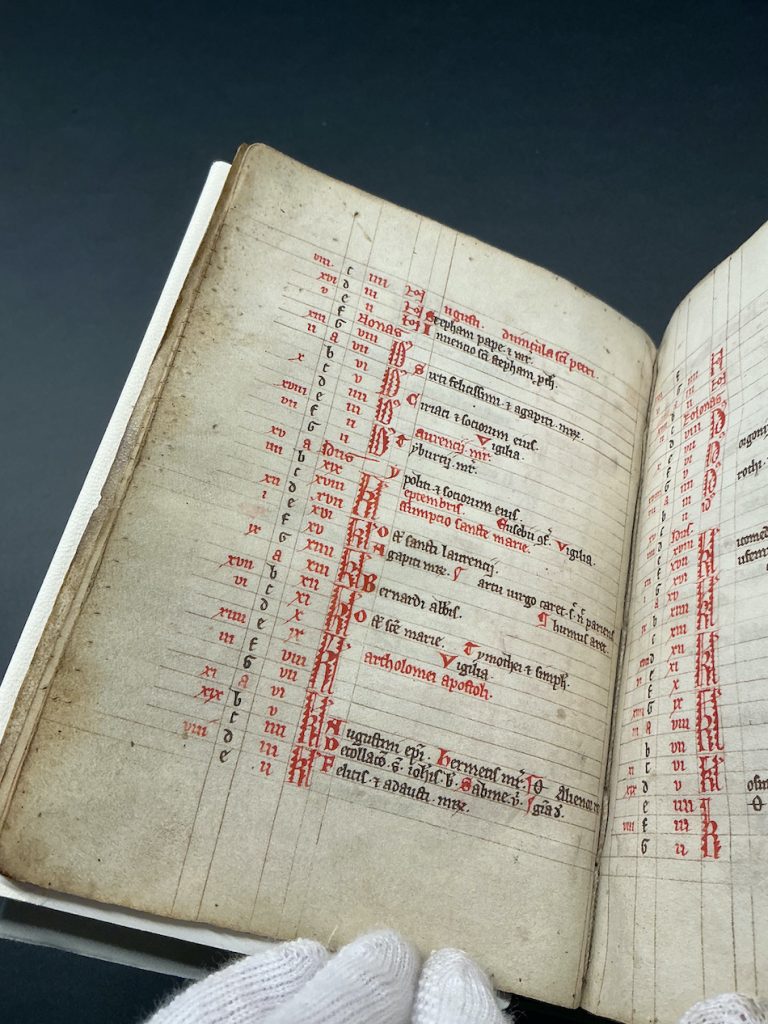
The final aim is to create a pilot platform for disseminating the knowledge generated through the symposia and TDI. This platform will connect with mainstream citizen science initiatives and integrate data from HELCOME and other SOS partners. Titled the Almanack of Transdisciplinary Gnoseology, the platform is inspired by the gnoseological approach Valdemar Nyman used in his writings about the Åland Islands [50]. Visually, it draws from the Carta Marina (1539) by Olaus Magnus, which accompanied his History of the Nordic People—a rich collection of nature observations, folkloric traditions, and cultural practices.We boldly propose that engaging with non-dominant epistemologies—ways of knowing, sensing, and being—can foster anti-colonial TD collaboration and support the transformation of siloed knowledge production. Our aim is to create inclusive learning communities where site-specific and ancestral knowledges, folklore, and myths intersect with dominant sustainability science, generating new insights and approaches.
A key innovation is our use of polysemous reading practices, which draw on experimenting with artistic research practices while engaging with historical documents from the Åland Islands and the Archipelago Sea region. These practices allow for multiple interpretations and relational engagements with place. Within the symposia, we develop theo-artistic interventions—creative, embodied methods that reconnect participants with their sense of creatureliness and promote care for the lands and seas we inhabit.
The symposia serve as experimental sites, spaces of investigation and as an ethnographic field for research, enabling iterative refinement of TD tools and skills. They also catalyse collaborations between artists and researchers, resulting in new theo-artistic works that are shared with local communities through performances and dialogue sessions.
Finally, the project will pilot an Almanack of Transdisciplinary Gnoseology—a living archive of plural ways of knowing—to support future TD initiatives and knowledge integration.