
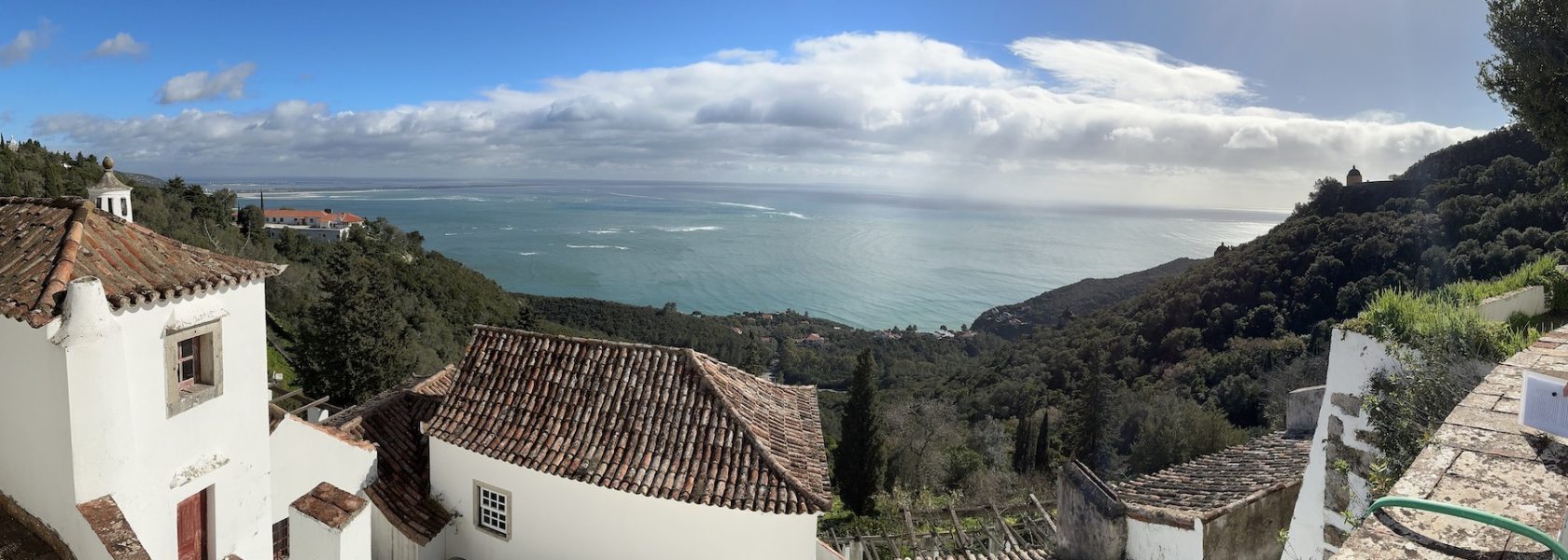
Where the Sea meets the Land
02.02.2026
Eduardo Abrantes said it so well in a meeting yesterday with our collaborators at University of Iceland (Háskóli Íslands):
When your research methods include travelling, this is what happens: you encounter new people and places in unexpected manners!
During my fieldwork journey to Spain and Portugal at the beginning of the year 2026, this is exactly what happened!
I took off to follow Teresa of Avila, in her trail of associations with the first wave of liberation theologians – people like Antonio Montesino (1475 – 1540) and Pedro de Córdoba (1460 – 1521). I was interested in finding out if we can speak about Teresa of Avila and the other members of the community gathering in the Monastery of San Sebastián in Salamanca, Spain, having some anti-colonial tendencies in their theological practices or teachings!?
I will be presenting more on this work in a coming conference this spring at Enskilda Högskolan, Stockholm: Telling a Different Story. For now, I can only say that:
Yes, what started off as a vague intuition has developed into a full-fledged storyline – there are unexpected strands of anti-colonial traits in Teresa of Avila’s practices and teachings, that quite surprisingly bring us to the Franciscan theological tradition!
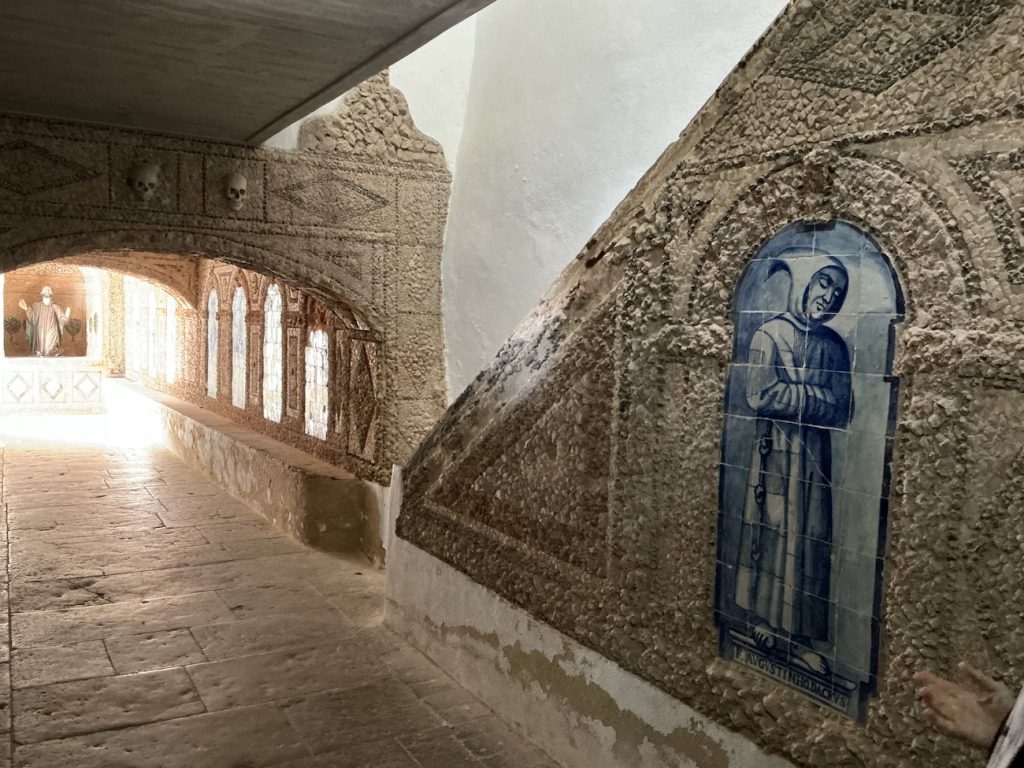
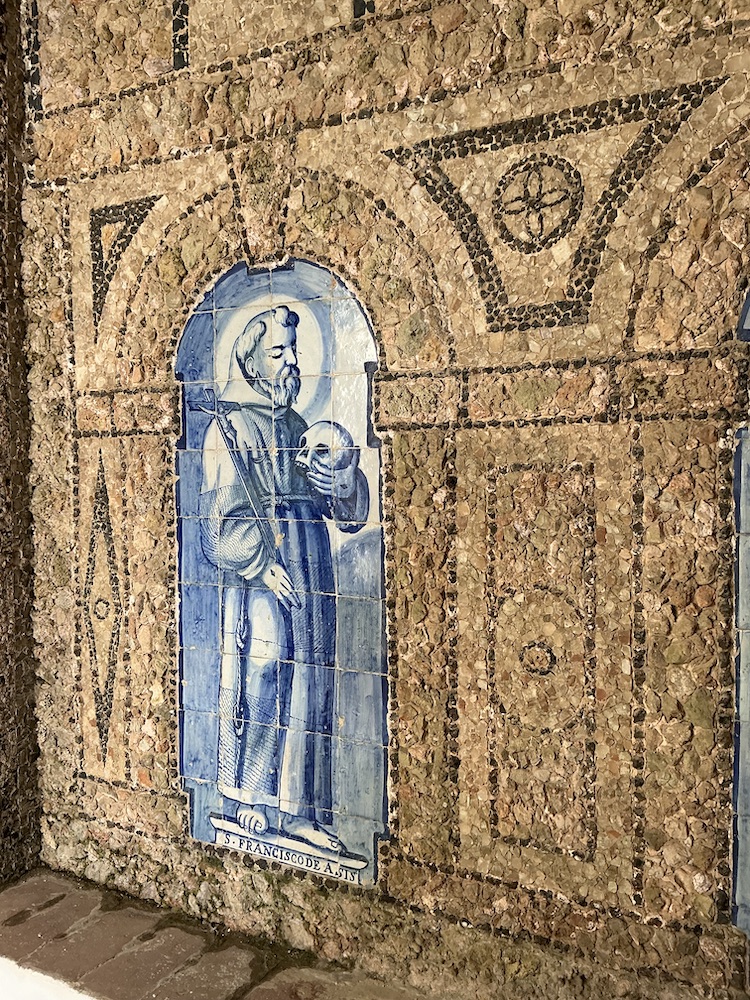
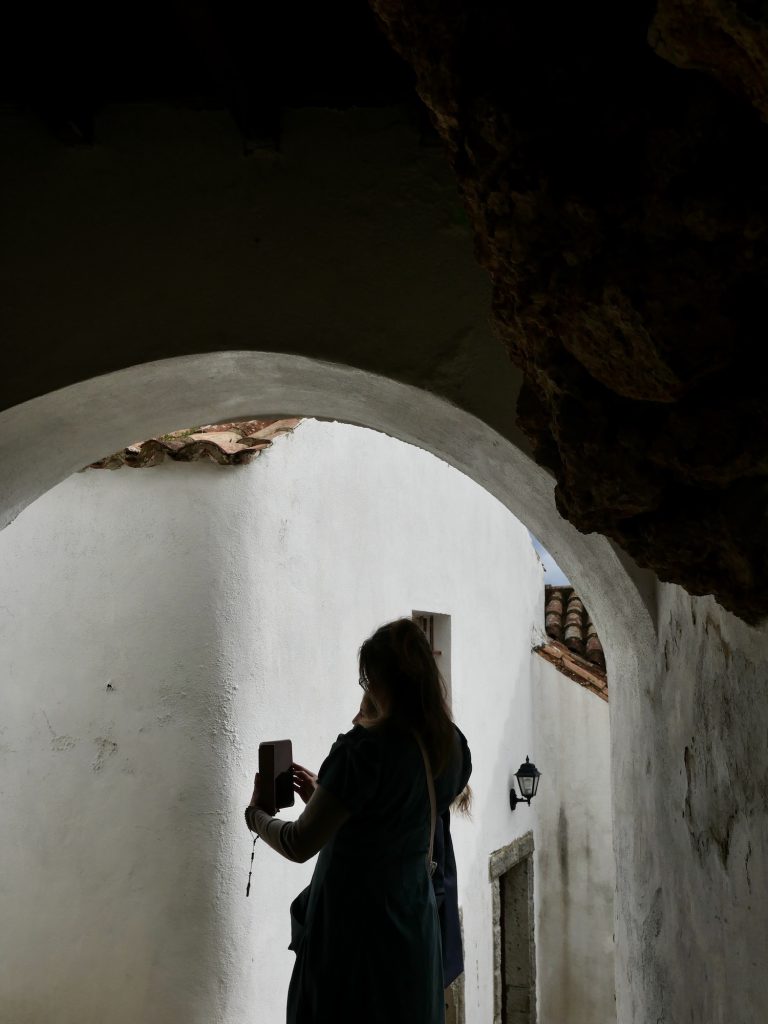
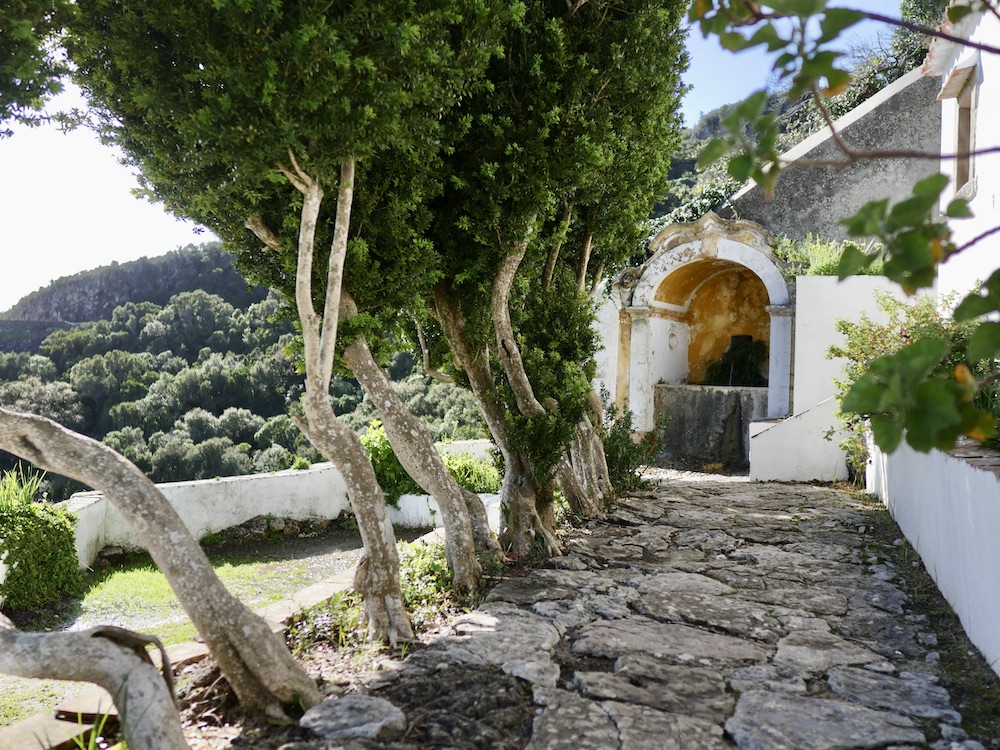
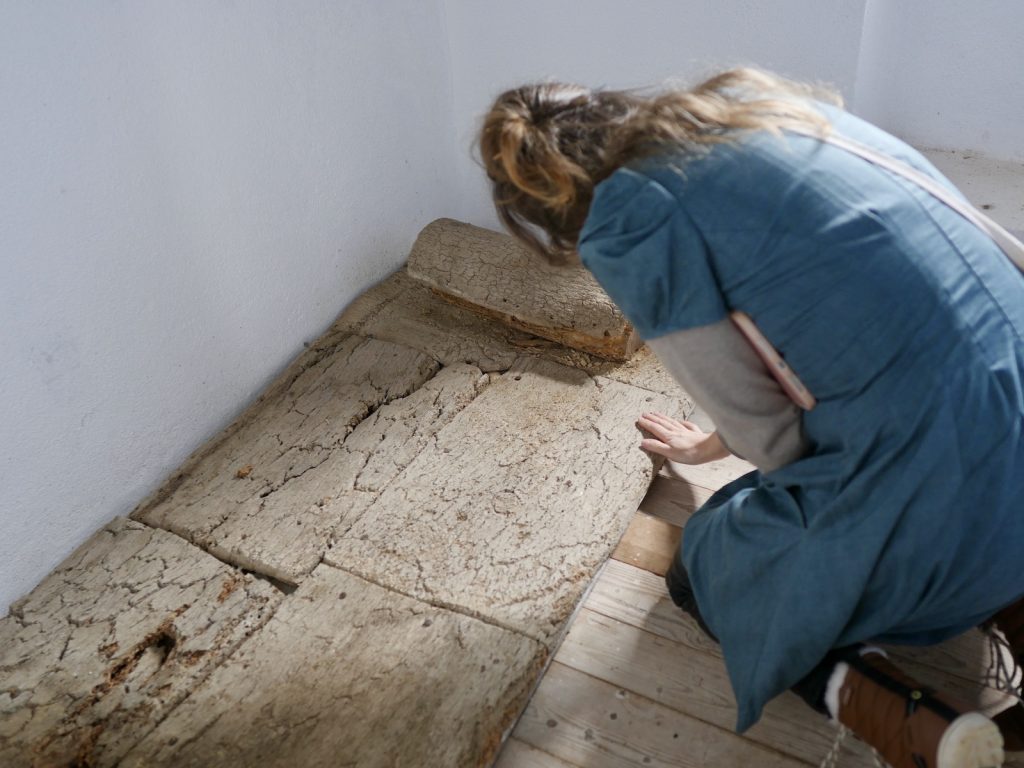
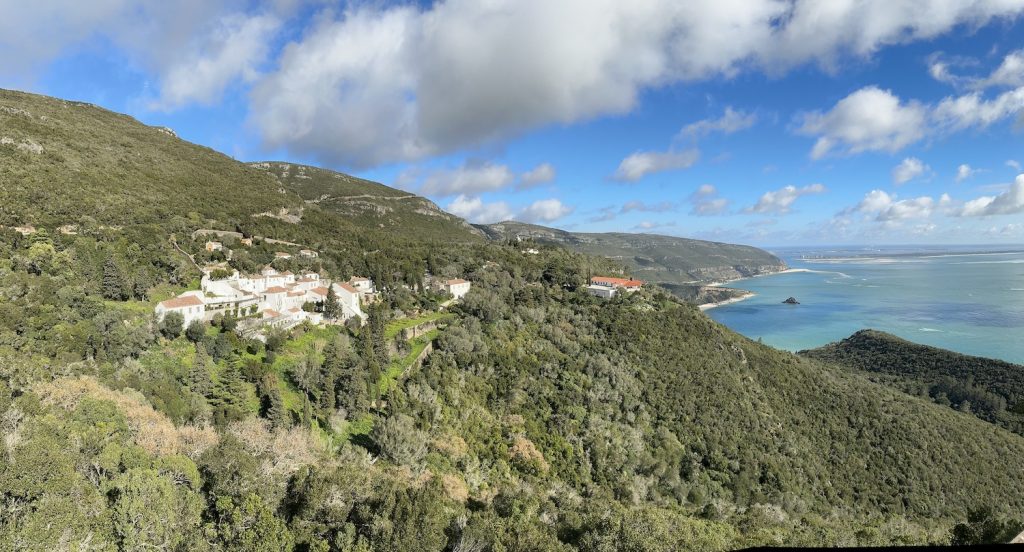
My travels and research in Avila and Salamanca brought me – joined by Eduardo – to the Arrábida Natural Park and the convent of Pedro de Alcantara, outside Lisbon in Portugal.
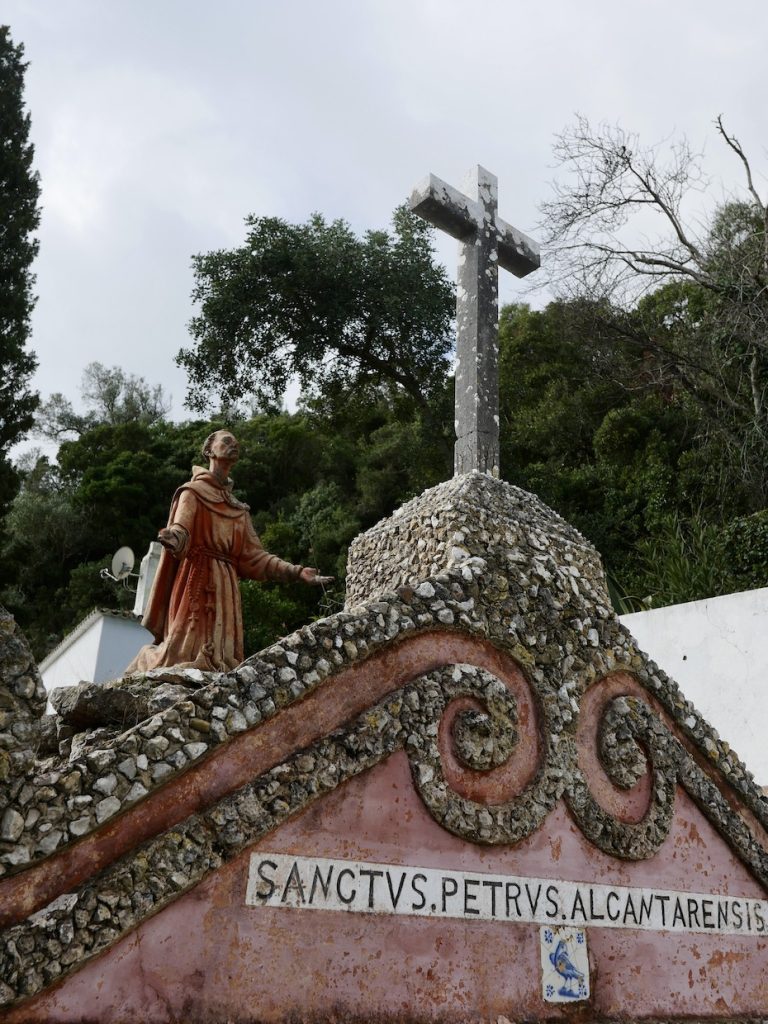
On the 800-year anniversary of Saint Francis of Assisi, I am ready to reveal the name of our new research project: Island Dwelling along the Franciscan Trail: Attending to Sea-Land Knowledge through Theo-Artistic Interventions. Where we will be connecting the lines between Biosphere regions, natural parks, Franciscan spirituality and archipelago theology on Kökar, along the King Valdemar Sailing route and all the way to Arrábida in Portugal.
Photos: Eduardo Abrantes & Laura Hellsten